Industrial transition is no longer an option

Yves Nussbaum, Director of the Process Industries Division at Equans France

The Digital and Energy Transition: A Barometer of Performance and Competitiveness
Amid political instability and global shifts, economic players must chart a clear course. Healthcare, energy, and food are all historically strategic industrial sectors for which the digital and energy transitions are now the barometer of performance and competitiveness.
Battery gigafabs, semiconductor factories, and data centers round out a landscape shaped by the pressing issue of sovereignty and its corollary—attractiveness—for so many regions that have suffered from deindustrialization.
The industry is no longer content to simply meet societal and economic expectations; it is actively shaping the future and setting a new course.
Industry is reinventing itself to mitigate its impacts in terms of pollution, overconsumption, resource depletion, and harm to the environment or biodiversity.
It is precisely because it holds the answers to these challenges—which can be called contributions—that the idea of a “contributive” industry is gaining traction. It can even go so far as to claim to be regenerative, thanks to its positive impact on production performance, the environment, and the human factor.
Current tensions are keeping alive a pressure on the industry to become ever better adapted to our ecosystem and its constraints.
This translates into ambitious goals for greening the energy sector, improving plant efficiency, increasing agility in production processes, and accelerating reindustrialization and reshoring efforts.
Make carbon neutrality a priority
The industrial transition must make carbon neutrality a priority, which means improving process performance through the necessary transformations and innovations. It is essential to reexamine economic models and their foundations.
“ No transition will be possible without combining energy efficiency, simplifying usage, and combating all forms of waste throughout the value chain. This goal is as ambitious as it is critical for our ecosystem, since industry is one of the leading sources of carbon and greenhouse gas emissions, after transportation, agriculture, and the building sector. ”
To comply with the national “low-carbon” strategy, the industrial sector must reduce its emissions by 35% by 2030 and accelerate the process to achieve an 81% reduction by 2050.
Energy savings, efficiency, and the flexibility of facilities help reduce energy bills, thereby contributing to investment capacity or purchasing power.
Environmental and climate issues have taken on an economic dimension, making them a strategic priority for both manufacturers and government authorities, through support and investment plans aimed at successfully adapting production facilities.
Ultimately, it is energy savings, efficiency, and the flexibility of facilities that will lead to lower energy bills, which can translate into investment capacity or increased consumer purchasing power.
Innovation is naturally poised to play a pivotal role in this trajectory. The development of waste heat recovery and its utilization are a prime example of this.
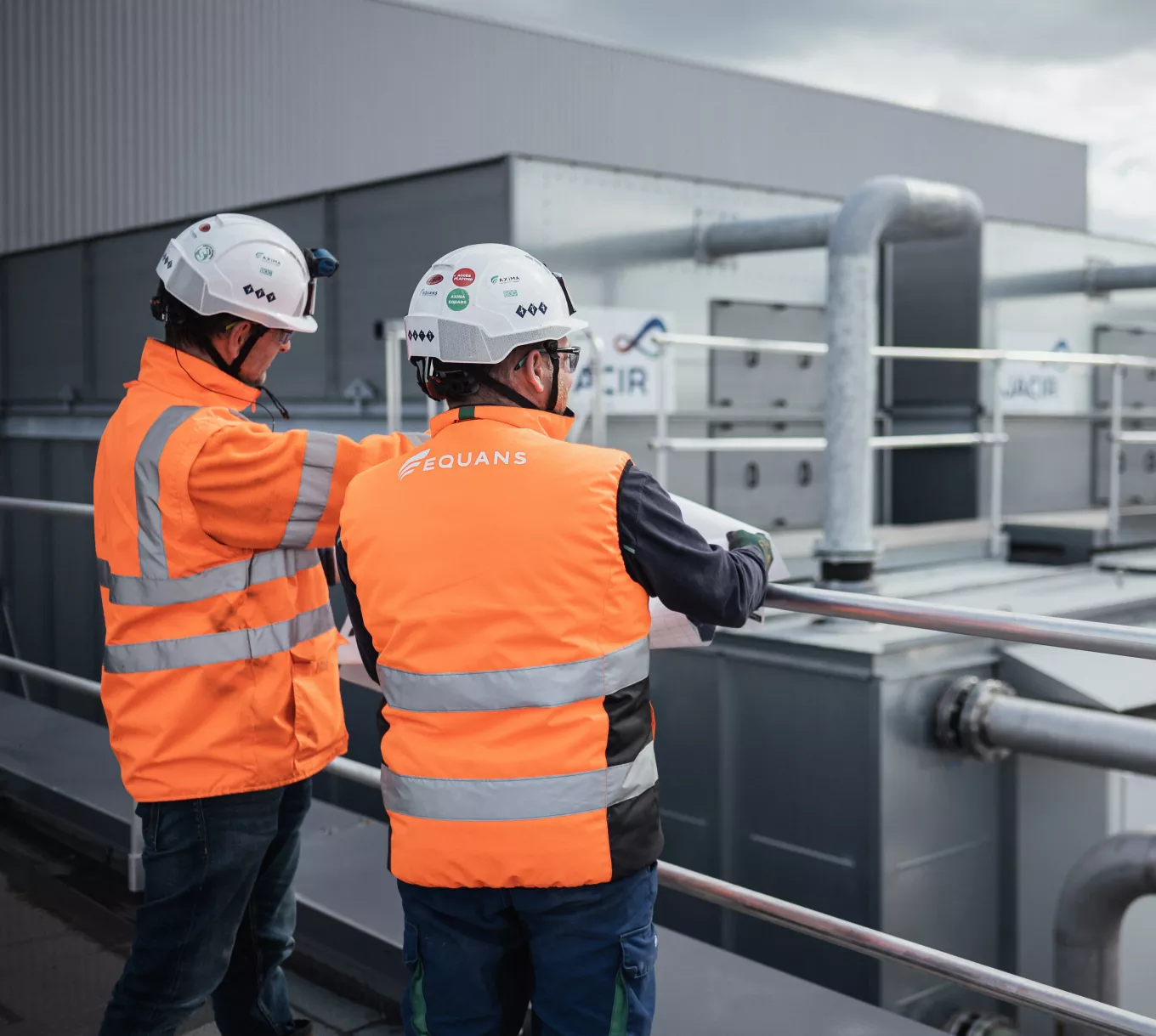
This effort to track energy waste opens up very concrete possibilities, including the following examples:
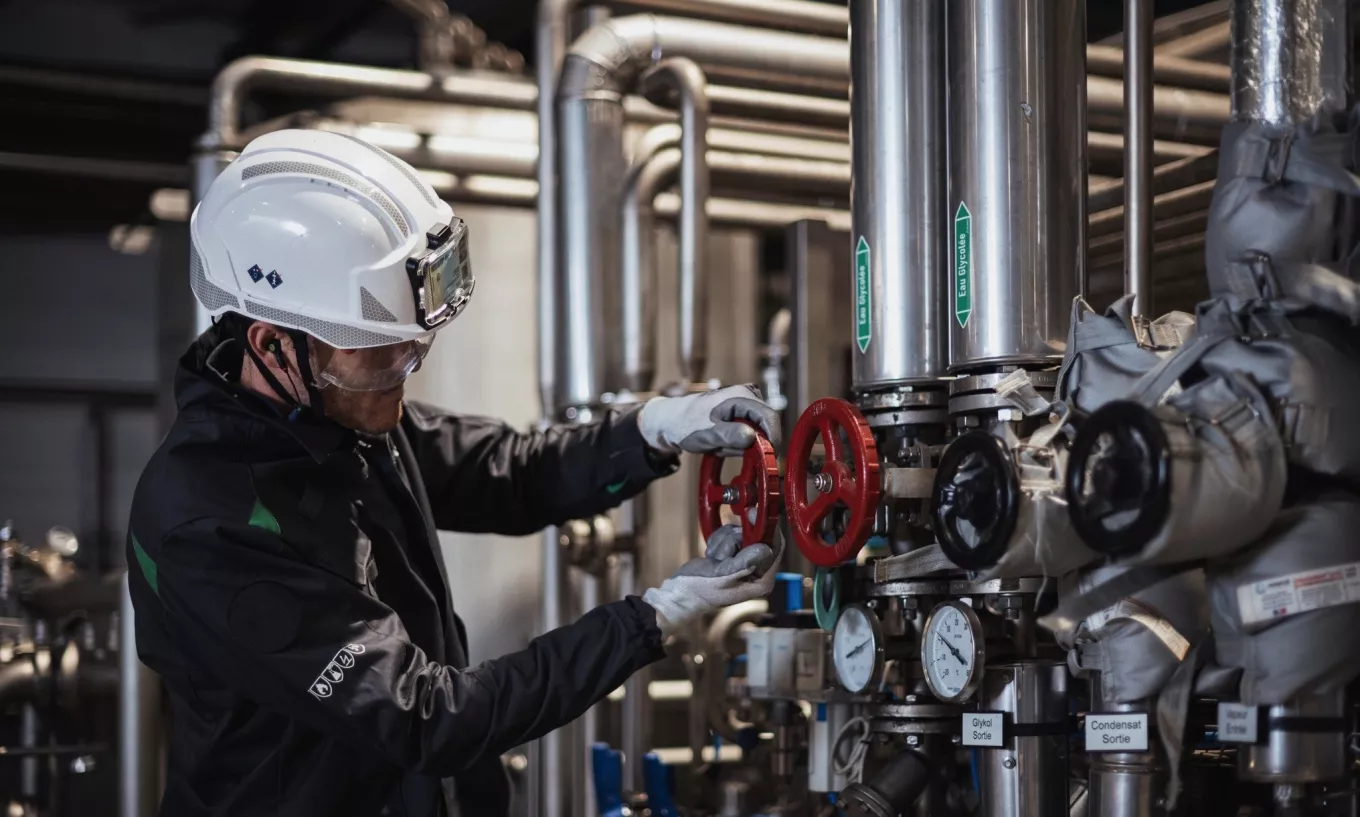
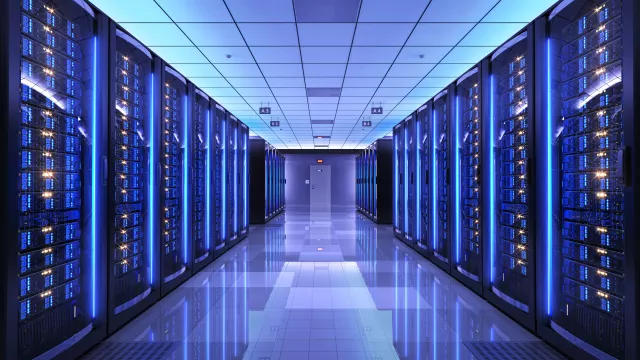
Gigafactories, semiconductor plants, and data centers have become symbols of the transformations currently underway
The industrial transition unfolding before our eyes is taking place alongside an energy and digital transition. Disruptive technologies, particularly digital ones, are paving the way for more agile and resilient models.
This positive trajectory opens up a wide range of possibilities, offering concrete opportunities to combine agility and local presence, both in major industrial sectors and in the emerging markets that support them.
In this regard, the gigafabs, semiconductor factories, and data centers have become symbols of the transformations underway.
“ Equans is convinced that it is by continuing to develop new models—while leveraging technological advancements—that we will succeed together in meeting the challenges of the triple transition: industrial, energy, and digital. Together, let’s build a sustainable and innovative future by turning today’s challenges into concrete opportunities for 2025 and beyond. ”