
Energy Efficiency: From Awareness to Action
Against a backdrop of accelerating climate change, with global emissions having risen by 1.1% in 2023, according to the International Energy Agency report published on March 1, 2024, and amid tensions over energy supply and costs, the transition to more sustainable consumption is more than ever a priority for everyone.
Rethinking our ways of doing things, challenging our preconceptions, and committing—starting today—to finding solutions tailored to everyone: that is the value we bring to you.
Equans offers a range of solutions for decarbonizing commercial and industrial buildings, from implementing an energy conservation plan to providing support for the commercial eco-energy program and energy-efficient renovations. Equans’ portfolio of services includes technical building management to optimize energy consumption, energy management, photovoltaic systems, EV charging infrastructure via vehicle charging stations, and support for the commercial eco-energy program, such as energy-efficient renovations.
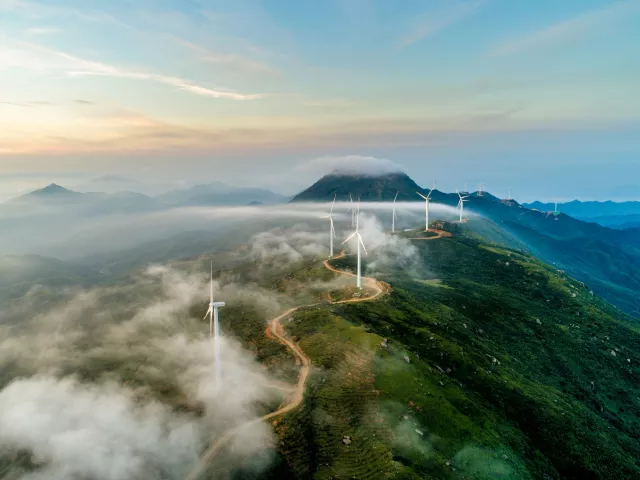
The increase in emissions in 2023 is slowing compared to 2022, which can be attributed to the expansion of renewable energy sources—solar, wind—and electric vehicles. The International Energy Agency confirms that “the deployment of wind and solar photovoltaic power in electricity systems worldwide has been sufficient to avoid annual coal consumption equivalent to that of the electricity sectors of India and Indonesia combined” since 2019.
Equans supports its clients—property owners, real estate companies, and occupants—in reducing their sites’ energy consumption, starting this winter and over the long term.
We help you achieve your energy goals to find your financial balance while complying with the regulations of the Eco-Energy Tertiary Program.

The Tertiary Sector Energy Efficiency Program (DEET)
The Tertiary Sector Energy Efficiency Program (DEET) is a regulatory requirement that commits all stakeholders in the tertiary sector to energy efficiency. Stemming from the Tertiary Sector Decree (Article 175 of the Élan Law), this regulatory framework aims to gradually reduce energy consumption in tertiary-use buildings—namely offices, public services, educational institutions, retail establishments, hotels and restaurants, sports and performance venues, train stations, and parking garages, in order to mitigate the effects of climate change.
The DEET also applies to all buildings where the total area of their non-residential spaces is 1,000 m² or more. This therefore includes industrial buildings, which most often incorporate storage areas, climate-controlled or refrigerated warehouses, cafeterias, and offices. The residential and commercial building sector accounts for 46% of energy consumption in France, making it a key area for energy savings. A reduction in final energy consumption across the entire commercial building stock of at least 40% by 2030, -50% by 2040, and -60% by 2050 (compared to 2010) is required. Progress will be measured using the OPERAT online platform, which will enable the assessment of energy savings achieved.
The BACS Decree: The Rise of Building Management Systems
The BACS “building automation and control systems” are part of the broad plan for energy efficiency, announced on October 6, 2022, by the government, which aims to reduce energy consumption by nearly 10% by 2024. They control the building’s technical systems and significantly reduce energy consumption at a competitive cost. This makes it possible to optimize energy and environmental efficiency. BACS also help improve conditions for building occupants.
With this decree, the energy performance of buildings is improved for those equipped with an air conditioning or heating system, whether or not combined with a ventilation system.


Energy Efficiency Initiatives: Consuming Less and Changing Our Consumption Habits
At Equans, we firmly believe that being more energy-efficient should not come at the expense of—or hinder—your technical and economic performance.
Every day, we provide concrete, on-the-ground support to our clients by proposing and implementing high-performance, sustainable, and competitive solutions to support their transition. We offer them energy performance actions (APE) with or without capital investment. These actions help make industrial facilities more energy-efficient. These initiatives require investments of varying sizes and therefore constitute a highly flexible approach suitable for everyone.
Successfully implementing your building’s energy transition means consuming less energy and being more flexible in your energy use in order to significantly reduce your carbon footprint.


Reducing energy consumption means using less energy in the short and medium term
- Optimize Your Energy Bill Quickly: Identify energy-efficiency measures that require no investment and raise occupants’ awareness of energy conservation
- Reduce energy consumption through long-term initiatives: define an energy policy through an energy management strategy, conduct an energy audit, and implement energy-efficient renovations

Reducing the carbon footprint through a range of initiatives
- The decarbonization consulting firm
- Low-carbon energy production
- Heat pump installation
- Installation of electric vehicle charging stations

Reducing Electricity Consumption: A Win-Win Choice
- Better Managing Electricity Consumption
- Adjusting Electricity Generation Based on Electricity Consumption
Construction Industry Professionals: Now Is the Time!
The building sector accounts for 44%* of the energy consumed in France, and each year, it emits more than 123 million metric tons of CO₂. Of all economic sectors, it is the largest consumer of energy.
Our goal at Equans is to help you achieve energy independence for your buildings through comprehensive and efficient design and operation, or modernization and renovation. In your cities as well as in your industrial facilities, making buildings more energy-efficient requires renovating existing structures and incorporating stricter standards for new buildings (RE 2020 environmental regulations).
The RE 2020 regulations establish criteria for reducing energy consumption. These criteria will reduce the environmental impact of the “Building” sector by more than 30% by 2030. In addition, improved building insulation to cope with extreme heat will ensure occupant comfort during heat waves. At Equans, we offer solutions throughout the entire lifecycle of your real estate projects, from design through operation and maintenance.
(*) Ministry of Energy Transition
Our Energy Efficiency Commitments: A Guarantee of Results
As part of an Energy Performance Contract (EPC), we guarantee optimal operation of your infrastructure and control over your energy costs. We are committed to achieving a sustainable reduction in your energy consumption. Our commitments are clear, quantified, and contractually binding.
What is a CPE?
Stemming from the Grenelle I Act, the Energy Performance Contract (CPE) enables the optimization of the energy efficiency of one or more buildings. The CPE can apply to a single building or a portfolio of buildings and may include work on both the interior and exterior of the structure.



Learn more


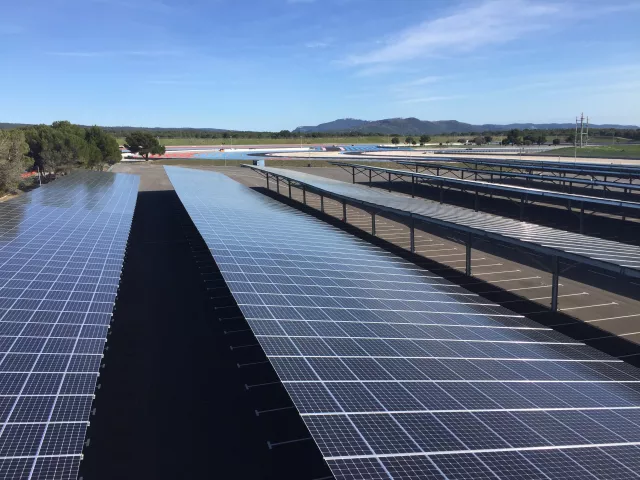



Supporting you in your energy transition, for high-performance infrastructure and sustainable cities



Do you have a need? Let's talk about it!
Do you have a need? Let's talk about it!
