

Distribution Network: From Electrical Engineering to Drinking Water and Natural Gas
Electricity, water, gas, renewable energy: Equans designs, builds, and maintains distribution networks for connected regions.Distribution Network: From Electrical Engineering to Drinking Water and Natural Gas
Electricity, water, gas, renewable energy: Equans designs, builds, and maintains distribution networks for connected regions.
Distribution networks deliver energy and fluids to the heart of communities: providing lighting, heating, information, and transportation. Equans supports local governments and businesses across all distribution and transmission networks, from design through operation. Our company brings together all the expertise necessary for the effective operation of your public services, ensuring connected, resilient, and sustainable communities.
Our Networking Solutions
Electric Power Grids: Connection and Maintenance in France
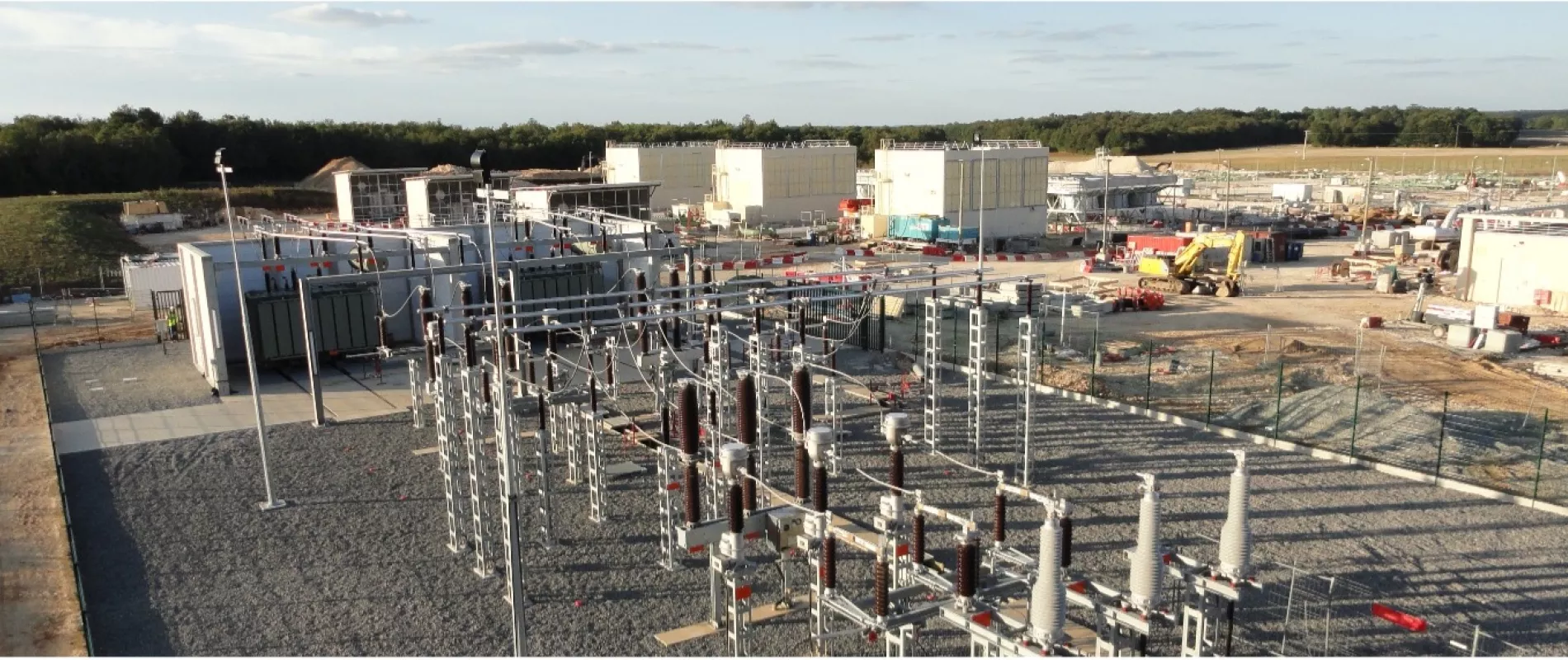
Do you need to reliably deliver power throughout your service area? We provide services for all electrical connection and distribution infrastructure in France. From line reinforcement to the burial of overhead lines, we cover all medium-voltage levels. Our expertise ranges from high-voltage (HV) and low-voltage (LV) lines to HV/LV substations and protective equipment. Preventive maintenance ensures uninterrupted service. Every project incorporates considerations of safety, resilience, and adaptation to new uses. Network operators rely on our expertise to modernize their infrastructure and prepare for the future of electricity in their regions.
Wet Networks and Gases
Drinking water, district heating, and natural gas are integral to the daily lives of your residents. We support local governments and network operators in the design, installation, and maintenance of these essential infrastructures. From remote monitoring to pipeline replacement, our practical and integrated approach ensures the performance and longevity of your equipment. We coordinate work on transmission and distribution networks to optimize fluid management. We work alongside water and gas operators to ensure security of supply and quality of service for users.
Renewable Energy and Green Electricity
The integration of renewable energy is transforming distribution grids and accelerating the energy transition. We help our customers connect solar, wind, and hydroelectric facilities while ensuring grid stability. Long-distance transmission followed by feed-in to the distribution grid requires precise infrastructure sizing and continuous monitoring of power flows. Our solutions combine technical performance with energy efficiency. Regions can leverage their local resources, reduce their carbon footprint, and strengthen their energy independence. Transmission and distribution system operators benefit from tailored support, from design through operation. Discover our charging solutions for electric vehicles.
What is a distribution network?
A distribution network comprises all the infrastructure that carries energy, water, gas, and data from production centers to end users. Pipelines, cables, distribution substations, and control equipment form a nationwide network that is essential to citizens’ daily lives and the functioning of economic activities.
Upstream, transmission networks carry electricity over long distances at high and extra-high voltages. Source substations then step down the voltage to supply the local distribution network, which delivers power at medium and low voltages to homes and businesses.
These networks are now evolving toward smarter models. Thanks to digital technologies and connected sensors, smart grids make it possible to monitor power flows in real time, adapt supply to demand, and integrate new decentralized sources such as renewable energy. Regulatory provisions govern this modernization and guarantee quality of service for users.
The energy transition is accelerating this transformation. Rising demand for grid connections, the growing variety of electricity uses (electric vehicles, heat pumps, self-consumption), and aging infrastructure all call for more flexible grids. Grid operators, such as Enedis—the main operator of France’s public electricity distribution network—must prioritize efficiency, resilience, and service continuity.
The distribution grid plays a key role in regional performance. It determines economic attractiveness, residents’ quality of life, and local governments’ ability to address climate challenges. Its integration with transmission grids ensures continuity of supply and the stability of the electric power system. At Equans, we support public and private decision-makers in the design, modernization, and operation of this infrastructure.
Are there any plans to build, upgrade, or bury utility lines in your area?
Our Fluid and Network Management Services
Equans supports you across the entire value chain of your networks. From consulting to operations and maintenance—including design, installation, and financing—we provide services on a customized basis or as a comprehensive package, depending on the needs of each project.
Our network services are organized into three complementary business areas. This synergy enables us to manage complex projects, ranging from the direct distribution of energy to end users to real-time monitoring of infrastructure.
Here is an overview of our areas of expertise:
- Electric power grids: construction, reinforcement, underground installation, and maintenance of HV and LV grids, including HV/LV substations
- Green energy: connection of photovoltaic, wind turbines, and hydroelectric facilities to the grid, and charging infrastructure for electric vehicles
- Water and gas networks: drinking water and gas pipelines, district heating networks, emergency repairs for leaks
We tailor our services to the timeline and constraints of each project. Local governments and businesses choose the level of engagement that best suits their budgetary, technical, and organizational needs.
Consulting, design, installation, operation, maintenance: let’s build your region’s networks together
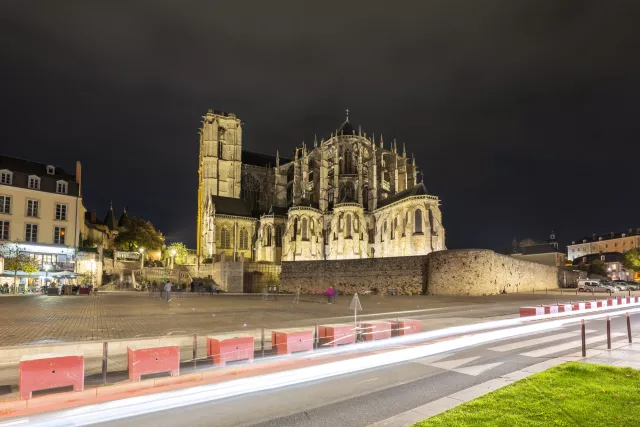
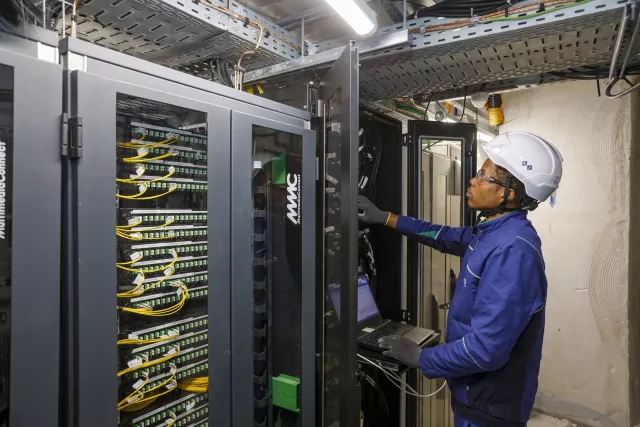
From design to operation, we manage end-to-end projects throughout France. Our teams deploy reliable infrastructure that integrates telecommunications, energy, and utilities to create connected and resilient communities. We modernize electricity, water, and gas networks in partnership with local governments and network operators.


Frequently Asked Questions About Distribution Networks
What is a distributed network?
The terms “distributed grid” or “decentralized generation” refer to situations where energy production is spread across numerous locations throughout a region rather than concentrated in a few large power plants. These small-scale facilities (solar, wind, biogas, and cogeneration) are primarily connected to the distribution grid, as close as possible to where the energy is consumed. This model enhances resilience, facilitates self-consumption, and reduces losses associated with long-distance electricity transmission.
What are the different types of distribution networks?
Power distribution networks are classified according to the types of energy they carry and voltage levels. The electricity distribution network includes medium voltage (MV, typically 20 kV) and low voltage (LV: 230 V single-phase, 400 V three-phase). Natural gas and water networks round out this essential regional infrastructure.
What is the role of the public electricity distribution system operator?
The public electricity distribution network operator is responsible for the planning, operation, maintenance, and connection of electrical infrastructure. Enedis manages the network across approximately 95% of mainland France; the remainder is served by local distribution companies (LDCs). The operator ensures balanced power flows, uninterrupted service, and the connection of renewable energy facilities, in compliance with non-discrimination rules.
How do I access the distribution network?
To connect to the distribution network, you must submit a connection request to the network operator in your municipality: Enedis or a local electricity distribution company for electricity, and GRDF or a local natural gas distribution company for natural gas. The process includes a feasibility study, the preparation of a quote, and the completion of the connection work. A dedicated representative will assist you at every stage of the project.
What are the advantages of a distribution network in France?
In France, distribution networks offer enhanced reliability thanks to modernized infrastructure and continuous monitoring. They facilitate the integration of renewable energy, reduce operating costs, and are governed by clear regulatory guidelines. An efficient grid enhances the attractiveness of regions and ensures equitable access to energy.

Talk to our networking experts
Are you looking to modernize your infrastructure or deploy a network tailored to the needs of your region? Our teams are here to help you design a solution that addresses your challenges. Contact us so we can work together to define your project.Talk to our networking experts
Are you looking to modernize your infrastructure or deploy a network tailored to the needs of your region? Our teams are here to help you design a solution that addresses your challenges. Contact us so we can work together to define your project.