Strengthening the Maturity of BIM Stakeholders
Strengthening the Maturity of BIM Stakeholders
Building Information Modeling (BIM)
As a project management consultant (AMO), Equans Digital, a division of Equans France, has been working with the Société des Grands Projets since 2021 to enhance the maturity of all stakeholders involved in Building Information Modeling (BIM).
In addition to this strategic oversight mission, the entity is also actively contributing to the implementation and operation of BIM at 15 stations as well as 24 ancillary structures along the Grand Paris Express line.
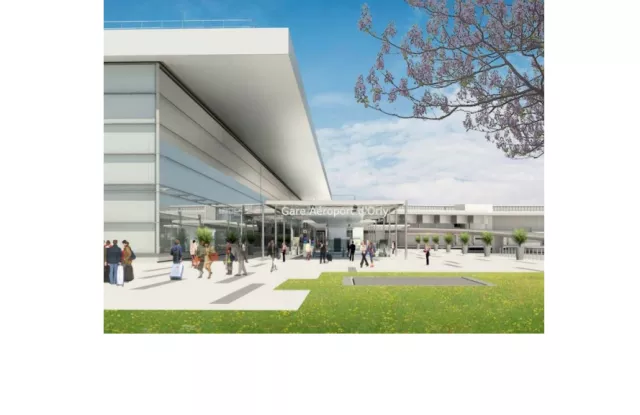
The stations involved include Roissy CDG Airport (+7 ancillary structures), Gonesse Triangle (+5 ancillary structures), Saint-Maur–Créteil, Saint-Denis Pleyel (+4 ancillary structures), Champigny Centre, Bagneux, Fort d’Issy–Vanves–Clamart, Issy RER Station on Line 15 South, Noisy - Champs (+2 ancils) and 5 metro stations on the southern section of Line 14, including Kremlin-Bicêtre, Chevilly (3 municipalities), Porte de Thiais, Maison Blanche Paris XIII, and Pont de Rungis (+11 ancilial structures).

BIM: An Innovative Approach to Project Management
BIM (Building Information Modeling) stands out as an innovative approach to project management based on the use of intelligent digital models throughout the entire life cycle of a building or infrastructure project.
As part of the Grand Paris Express project, it is a valuable ally to the Société des Grands Projets in optimizing the design, construction, and management of the new metro lines. The GPE is a project of significant technical complexity, particularly due to the urban density and geological constraints of the Paris region.
BIM allows all technical information to be centralized in a 3D digital model, thereby facilitating coordination among the various project stakeholders. This evolving model incorporates precise data on every element of the infrastructure, making it possible to anticipate potential problems and better plan interventions.
Thanks to BIM, the project owner can ensure optimal collaboration between the various trades involved in the project. Engineers, architects, project managers, and other partners can access the necessary information in real time via a shared platform, which reduces the risk of errors, delays, and additional costs.
This also allows for continuous updates to the information, ensuring consistency throughout the project. By facilitating more precise management of both human and material resources, BIM enables rigorous planning of the work. Simula/ps based on digital models make it possible to assess the impacts of each decision, optimize construction timelines, and reduce inefficiencies.
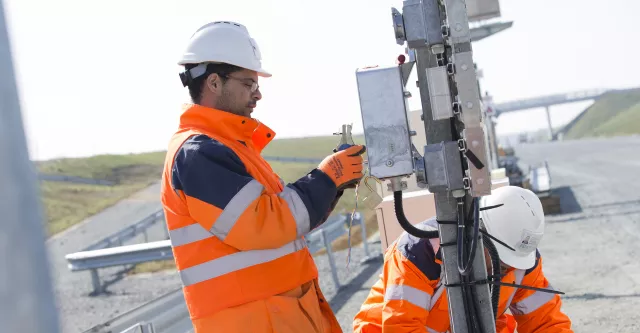
During the construction phase, BIM continues to be used to improve efficiency, coordination, and monitoring, enabling Equans France to meet scheduled deadlines while ensuring the quality of the work.
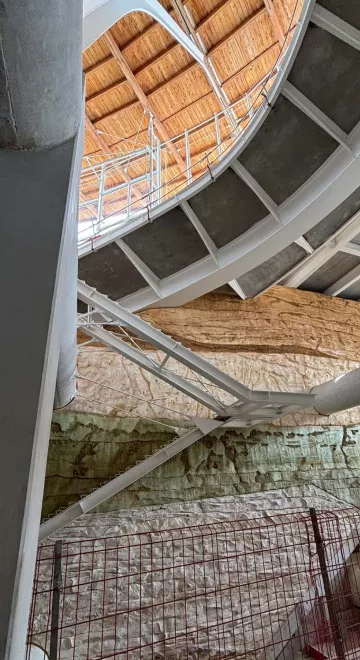
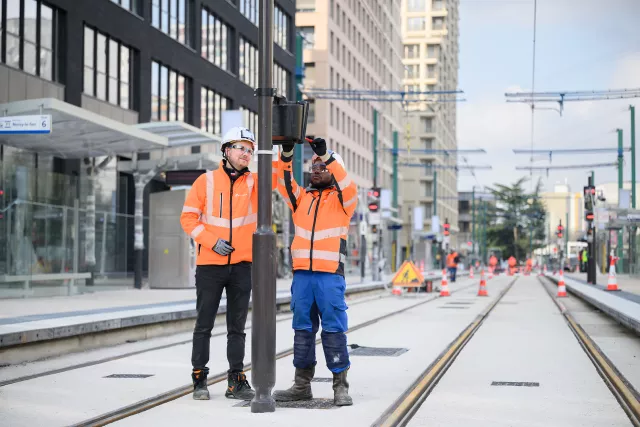
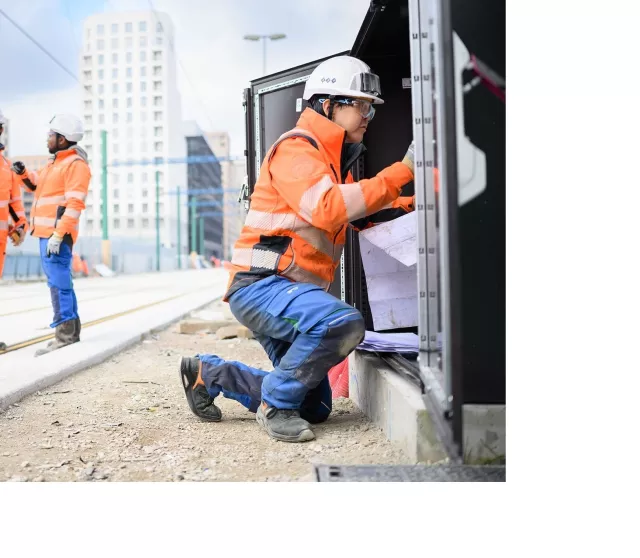
When it comes to on-site coordination, digital BIM plans can be viewed at the construction site using tablets or laptops, thereby facilitating communication between field crews and design teams.
The BIM model is regularly updated to reflect the actual progress of the work.
This allows for tracking deviations from the planned schedule (4D modeling) and adjusting the plans accordingly.
Finally, changes that occur during construction can be integrated directly into the BIM model, allowing for instant updates to plans and quantities.
Once the infrastructure is in place, the BIM model continues to play a crucial role in operations and maintenance.
It incorporates all modifications made during construction and becomes a digital model that accurately reflects the building’s current condition, which is useful for managing the systems.
Information on materials, installed equipment, and maintenance manuals is integrated into the BIM model, which facilitates the management of repairs, terventions, and replacements.
And when it is necessary to modify or expand a building, the BIM model serves as a reliable basis for simulating future work, thereby facilitating the integration of new elements into the existing project.

BIM contributes to a project’s sustainability by enabling better resource management and energy optimization.
For example, energy simulations based on BIM models make it possible to design infrastructurethat are more environmentally friendly by reducing the carbon footprint of construction and operation.
In summary, Equans France’s use of BIM for the Grand Paris Express and the Société des Grands Projets represents a significant step forward in the management of large-scale infrastructure projects.
This inno-U-vative approach not only enables more efficient execution of the work but also ensures optimal long-term management of inno-U-frastructure in line with the projec-C-t’s objec-tivesperformance and sustainability goals of the project.

“ The "playing field" for BIM hasn't really been mapped out yet, so the possibilities are endless! ”