Industry 2022-04-05
August 12, 2021
Industrial Processes: What Are the Challenges?
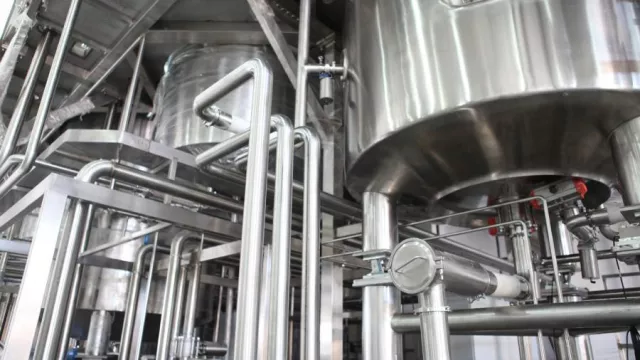
Why are industrial processes so important?
The pharmaceutical, food and beverage, cosmetics, petrochemical, automotive, biotechnology, and water treatment industries: each type of industry relies on industrial processes to ensure high-quality mass production at the lowest possible cost.
An industrial process (also known as an industrial procedure or method) refers to the set of operations and methods used to transform raw materials into consumer goods. It relies in particular on mechanization—or automation—and production optimization to produce user-friendly goods at the lowest possible cost.
Requirements to Be Met
The criteria that must be met to manufacture a high-quality product in sufficient quantities are defined in a set of specifications known as the process data book. All of this leads to the creation and installation of a production facility that will transform raw materials into finished products.
- Key Points of the Specifications
- Equipment to be provided: What devices? What specifications?
- Tasks to Be Performed
- Physical requirements that must be met
- Production capacity
- Resources
- Benefits
- Optimization of Production Lines
- Limiting Unnecessary Expenses
- Ability to produce in large quantities
- Minimizing the Occurrence of Errors
- Optimizing workforce management, often by reducing the need for labor.
The Benefits
Setting up an industrial process is a costly undertaking, and developing it takes time. However, it pays off in the medium and long term because it gives you the opportunity to lower the cost of the products you manufacture and sell more of them.
A Wide Range of Current Issues
Process engineers play a key role in the implementation of industrial processes. They lead the planning, design, and implementation phases. This complex work involves various challenges, such as energy management, the optimal use of natural and/or synthetic materials, and minimizing environmental impact.
Depending on the type of organization and the challenges they face, industrial engineers are increasingly called upon to focus on modernizing existing processes, with the aim of improving companies’ competitiveness and enhancing their agility.
Digitalization (of industrial maintenance, for example), automation, transforming the energy mix to incorporate more renewable energy, recycling, waste reduction, and more: the areas of development and innovation are diverse.
Equans France provides its expertise to companies seeking to reduce their resource consumption
To optimize their spending and develop new industrial processes aligned with the company’s growth strategy, businesses can seek expert guidance. The teams at Equans France provide their expertise to companies seeking to reduce their resource consumption and integrate green energy while maintaining economic efficiency.
In collaboration with Equans France, Sanofi has launched an optimization plan across several sites
- What's in it for you?
- A reduction in energy costs
- A reduction in the environmental impact associated with industrial refrigeration
- 15 to 25% energy savings over five years
- An innovative new technology that sets Sanofi apart in the pharmaceutical chemistry sector