November 23, 2023
What are the keys to reinventing ourselves and meeting the challenges of the nuclear decade?
The WNE is the must-attend event for the global nuclear industry. Amid growing needs, performance requirements , and technological innovations, this sector continues to meet very specific criteria to ensure safe and high-performing infrastructure. An in-depth look with Haïkel Ben Aoun Simões, Coordinator of Equans’ International Nuclear Network.

Why has the issue of nuclear power become so pressing again today?
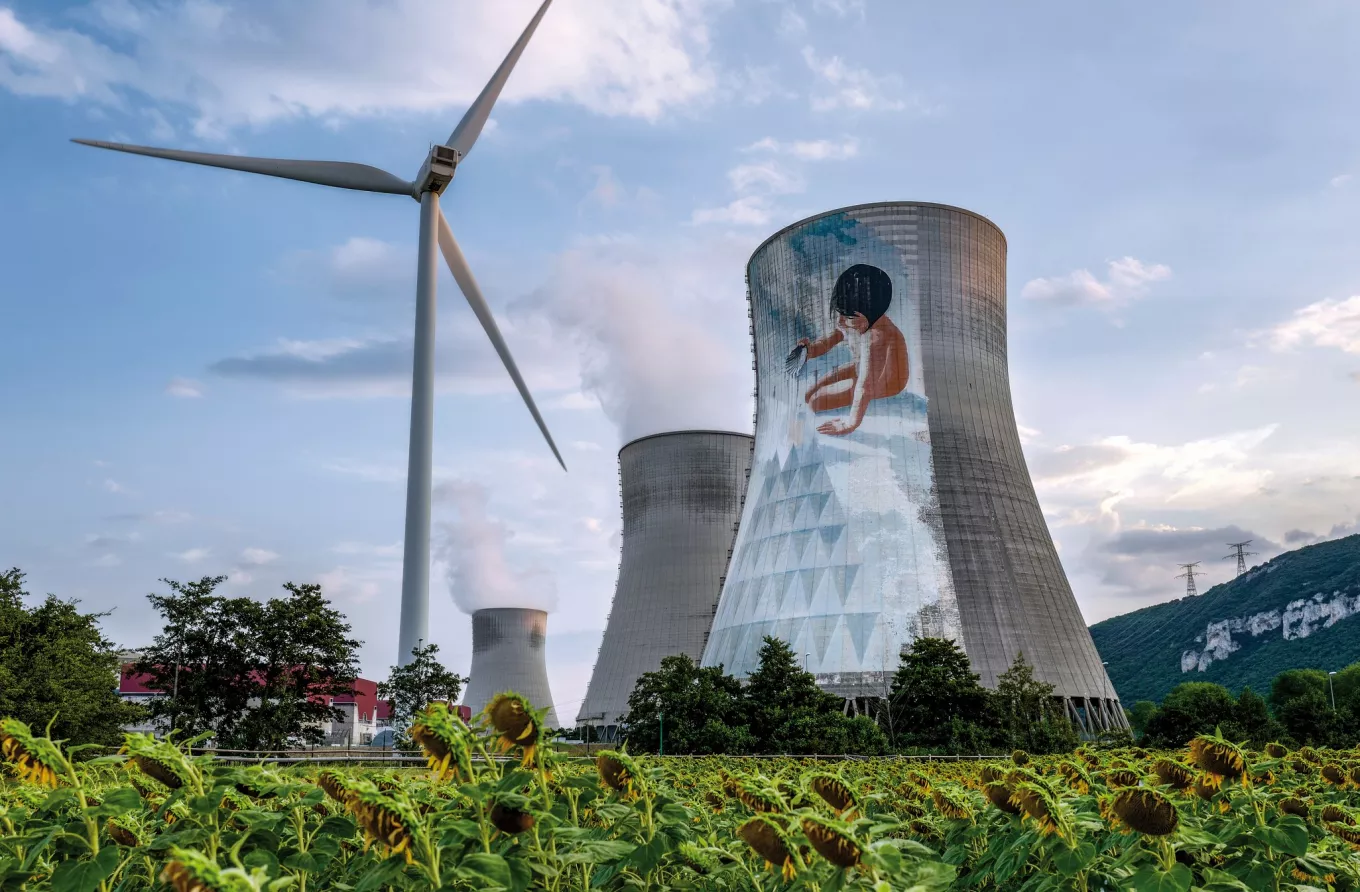
Electrification, mobility, heating, data centers, gigafactories, industry: decarbonizing our economic model requires a widespread shift in energy use—from fossil fuels to low-carbon energy sources—and is expected to trigger a significant surge in electricity consumption in the coming years. To support this transition, while anticipating the aging of reactors by 2040–2050, nuclear power is set to play a pivotal role alongside renewable energy. For example, more than a dozen EPR reactors will be needed to meet France’s demand for carbon-free electricity, estimated by RTE to require an additional 27 GW by 2050. European needs are even greater. The challenge ahead is immense, commensurate with the anticipated needs and the very tight deadlines, and it affects an entire ecosystem. In addition to the facilities themselves, the production, management, and research related to nuclear fuel are other key issues. And here too, the commitment to sustainability is reflected in fuel recycling. For the industry, this is a performance-based requirement to maintain its industrial and economic capacity while addressing climate challenges.
For Equans, a multi-technical services company with a track record of nearly 200 nuclear installations in France, Europe, and around the world over the past 50 years, this is another opportunity to continue demonstrating its capabilities, leadership, and commitment to carrying out long-term projects in support of the energy transition.
What business approach is best suited to the constraints of this sensitive sector?
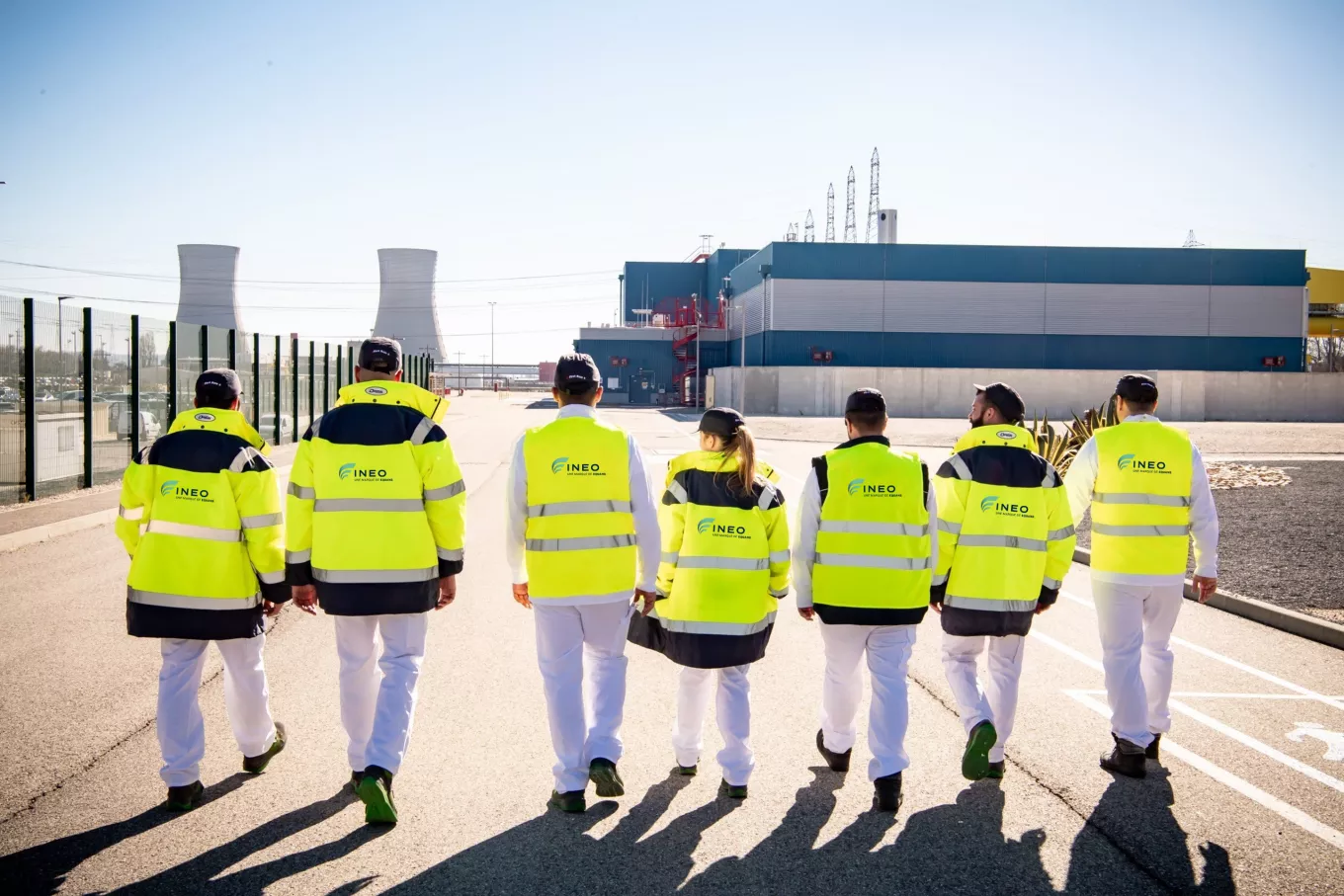
Workplace safety and security are the cornerstones of our daily operations. Engineering—including electrical, HVAC, and mechanical engineering—as well as the construction, modernization, and maintenance of facilities require specialized skills to ensure safe and high-performing infrastructure. Every technician from the French entities INEO Nucléaire, Axima Nucléaire, ECIA, and Mecanuc, as well as from Equans Belgium and Equans UK, who works at a nuclear site—which is, by definition, a sensitive environment—must be an expert in their field. Electrical systems, ventilation, piping, connections, commissioning, and design: for every operator, high-quality work is the standard.
In the nuclear industry, every task must be mastered down to the last detail.
At Equans, we are firmly committed to this vertical approach, with hyper-specialized entities that complement one another. Whether it’s withstanding extreme temperatures, accounting for radiation, space constraints, or pressure, installing a pipe in a nuclear facility requires unique expertise. The same applies to network management. A wiring error in this type of facility is simply unthinkable.
Training is therefore a major priority to ensure that the entire industry can rise to the challenge of the “France” program in the coming years and successfully meet the challenges facing Europe’s nuclear sector. To address these two challenges, we have created our own specialized nuclear training academies in partnership with AFEN for electrical engineering, EVN for ventilation, and the ECIA Academy for engineering, to which we can add ECS, dedicated to safety in Belgium. Each year, nearly 500 employees benefit from these operational and technical training programs, representing nearly 10% of our current workforce.
Is it still possible to innovate in highly standardized processes?
Meeting a tight schedule to ensure sufficient production by 2040 requires innovative methods, particularly in project management. Digital solutions are already becoming essential, with technologies such as BIM and 3D, 4D (time analysis), and 5D (cost analysis) models. Scanning the actual site conditions to create a model allows us to stay closely aligned with the construction site. This enables us to design, prefabricate, and conduct “dry runs” in the factory to fine-tune assemblies, then reassemble the components “right the first time” on our job sites within optimized timeframes and with complete quality control. Coordination among the various contractors is simplified and optimized, as operations can be defined down to the millimeter.
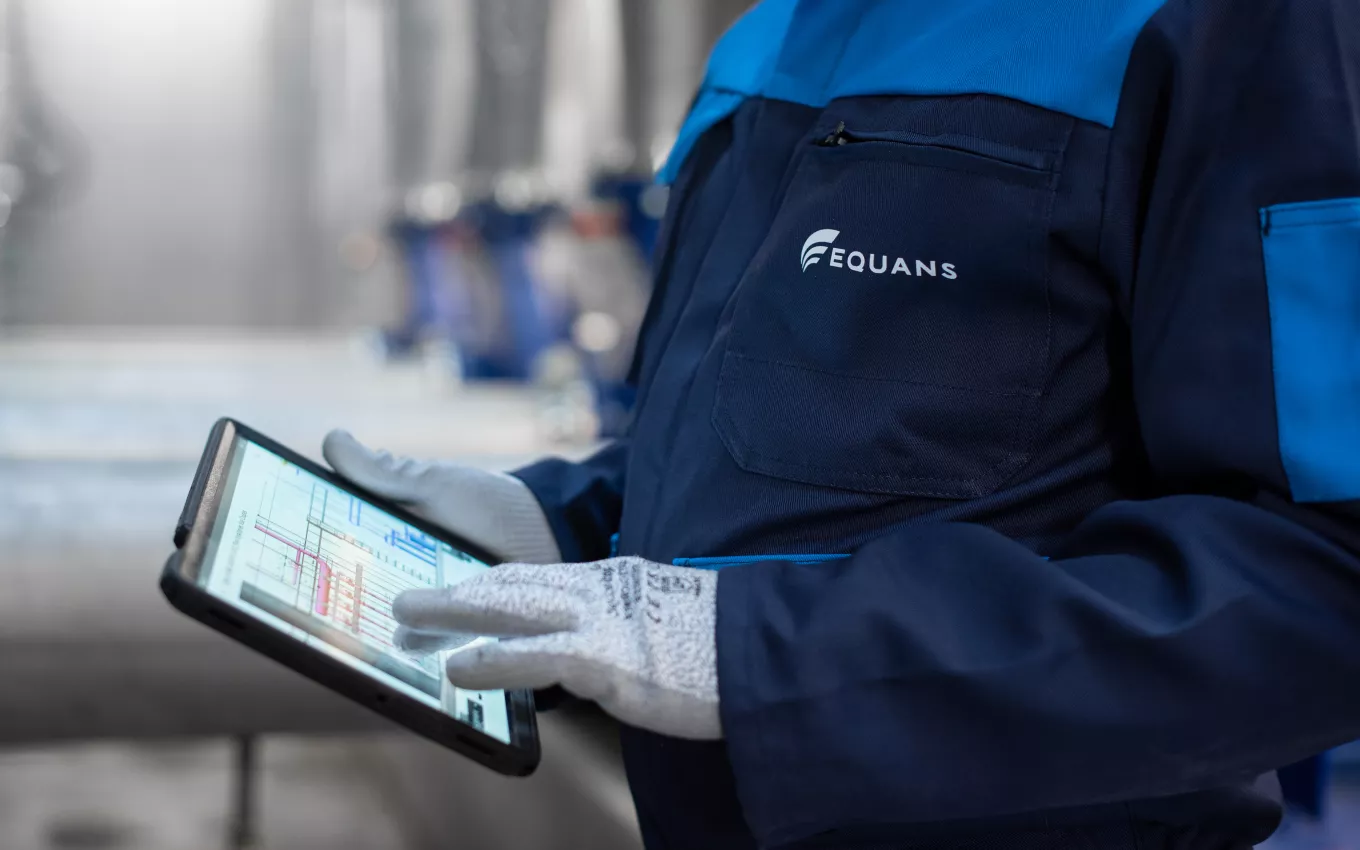
For projects that span a long period of time—from initial design to technical construction—it is invaluable to have a comprehensive understanding of all the equipment. Just as doctors know muscles and bones inside and out, operators must be able to pinpoint exactly which components need to be replaced during maintenance, for example. When building a facility, these digital solutions streamline the assembly process. We have entered the era of the augmented technician, or Technician 4.0.
Predictive maintenance also opens up interesting possibilities for optimizing interventions from both a technical and economic standpoint.
By collecting, processing, and analyzing data, it is possible to reduce the duration of production downtime during maintenance operations. This suite of solutions helps make nuclear power competitive and efficient. This positive trajectory is underway in France, as well as in many other European countries such as Belgium, the Netherlands, the Czech Republic, Hungary, Poland, and the United Kingdom.