

Urban Mobility: Managing Transportation in Connected Regions
Traffic management, smart traffic lights, parking, and traffic flow: connected solutions to improve traffic flow in the city.Urban Mobility: Managing Transportation in Connected Regions
Traffic management, smart traffic lights, parking, and traffic flow: connected solutions to improve traffic flow in the city.
The growth of France’s urban population is profoundly transforming all aspects of transportation. Today, nearly 80% of French people live in urban areas. This concentration requires smart mobility management to ensure smooth traffic flow, safety, and quality of life for city residents.
Equans positions itself as a mobility partner for local governments. We support cities in managing mobility: traffic control, smart parking, optimization of travel flows, and customized studies for connected and sustainable regions.
Are your urban thoroughfares congested during rush hour?
What is urban mobility management?
Urban mobility refers to all travel by people within an urban area, including daily trips between home, work, and leisure activities. It is distinct from interurban mobility, which connects separate regions. This definition encompasses all modes of transportation used in cities.
Managing urban mobility involves planning and optimizing these flows. This includes real-time traffic control, parking management, coordination of transportation modes (public, non-motorized, and private), and data analysis. The goal is to improve traffic flow, safety, and accessibility while reducing the environmental footprint.
Local governments face growing challenges: rush-hour congestion, the implementation of traffic-regulated zones, and the need for intermodality to ensure seamless journeys. Understanding actual usage patterns is the starting point for any effective strategy. Leveraging real-world data now makes it possible to anticipate traffic flows and adapt infrastructure to specific needs.
This approach is part of the broader movement toward smart cities and smart regions. By connecting urban spaces, Equans supports local governments in adopting sustainable performance models.
A smart traffic or parking management project?
Our Mobility Solutions
Equans supports local governments and connected regions in managing their mobility needs. We cover the entire process: planning, deployment, operation, and maintenance of urban mobility systems.
With our network of local offices, we are closely attuned to your day-to-day challenges. We address all key areas: traffic management, parking, travel flows, and strategic support. Our approach is based on cross-functional expertise and the ability to integrate connected technologies to enhance the urban experience.
As a recognized mobility operator, we help you improve traffic flow in urban areas, reduce congestion during peak hours, and enhance the quality of life for your users.
The 4 pillars of our mobility offering:
- Traffic Management: real-time monitoring and adaptive control to improve traffic flow
- Smart traffic lights: dynamic synchronization and priority for emergency vehicles to reduce response times
- Smart Parking: parking guidance and optimization of urban spaces
- Traffic Flow: Big data and AI to anticipate traffic congestion and coordinate modes of transportation
Traffic Management and Control
Traffic management relies on a real-time view of traffic flows. We deploy IoT sensors and centralized monitoring systems that collect and analyze traffic data. This information enables us to adaptively manage urban infrastructure and adjust traffic controls based on real-time conditions.
During peak hours, this responsiveness improves traffic flow and reduces congestion. By limiting the number of cars on the road during critical times, our solutions help relieve congestion on urban thoroughfares. Our centralized control centers provide a comprehensive overview of the network, facilitate coordination among different modes of transportation, and speed up response times in the event of an incident. Traffic management thus becomes a tool for daily optimization for local governments.
Smart Traffic Lights and Emergency Vehicle Priority
Smart traffic lights adjust their cycles based on real-time traffic conditions. Using algorithms and artificial intelligence, they detect vehicle density, adjust signal timings, and improve traffic flow at intersections. This adaptive approach reduces unnecessary wait times and enhances safety.
In the event of an emergency, the traffic lights give priority to emergency vehicles and public transit, thereby reducing critical response times. Major public transit routes also benefit from this prioritization to ensure consistent service. Pedestrians and cyclists benefit from safe signal phases designed to protect non-motorized modes of travel. These smart traffic lights are part of a comprehensive connected mobility strategy that serves all users.
Smart Parking and Space Optimization
Sensors installed in the ground identify available parking spaces in real time. Users are guided to open spaces via dynamic signage and mobile apps, thereby reducing search time and congestion.
Multi-site monitoring allows local authorities to manage their entire parking fleet from a single platform. This solution connects to bike-sharing services to facilitate intermodal travel and integrates seamlessly into regional mobility plans, promoting the optimization of travel flows. Parking becomes a key component of connected urban mobility.
Traffic Flow Management and Connected Mobility
Connected mobility relies on the collection and analysis of traffic flow data. Our urban monitoring systems centralize this information and use artificial intelligence to anticipate traffic congestion and suggest adjustments. Interoperability between different operational systems ensures effective coordination of transportation modes.
This approach aligns with the MaaS (Mobility as a Service) model, which integrates all mobility services onto a single platform to facilitate intermodal trips. This provides local governments with powerful tools to manage urban mobility in a sustainable and responsive manner.
Traffic, parking, traffic flow: Let’s work together to develop a mobility strategy for your region
Electric Vehicle Charging: Our Solutions
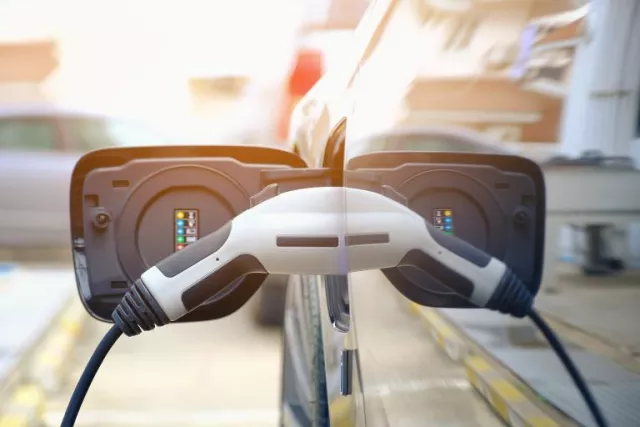
The rise of electric vehicles is transforming regional mobility. Equans supports local governments in deploying charging infrastructure tailored to their needs: design, installation, operation, and maintenance of charging stations, multi-site management, and smart charging. Our regional network ensures responsiveness and local support for your electric mobility projects.
Discover our comprehensive range of charging solutions for electric vehicles.
“ Local governments need to make significant energy savings, adapt to their residents’ changing needs, and break down silos within their technical departments. Equans positions itself by offering cross-functional solutions with cutting-edge tools and software to support these ongoing changes. ”
Work together to shape mobility in your region with a partner that operates throughout France
Urban mobility is undergoing a profound transformation, driven by innovations that address the challenges of congestion and decarbonization. The rise of sustainable mobility—cycling, electric scooters, and walking—is at the heart of this evolution. Local governments are increasing infrastructure development: safe bike lanes, expanded pedestrian zones, and sustainable mobility solutions integrated into urban transportation plans.



Frequently Asked Questions About Urban Mobility
How should we define urban mobility?
Urban mobility refers to all travel by people within an urban area—from home to work, to recreational activities, or to stores. It encompasses all modes of transportation used in cities: public transit, private vehicles, and non-motorized modes such as walking or biking. It differs from intercity mobility, which refers to travel between cities. Urban mobility management aims to organize these trips in a way that is smooth, accessible, and environmentally friendly to improve the quality of life for city residents.
What are the three types of urban mobility?
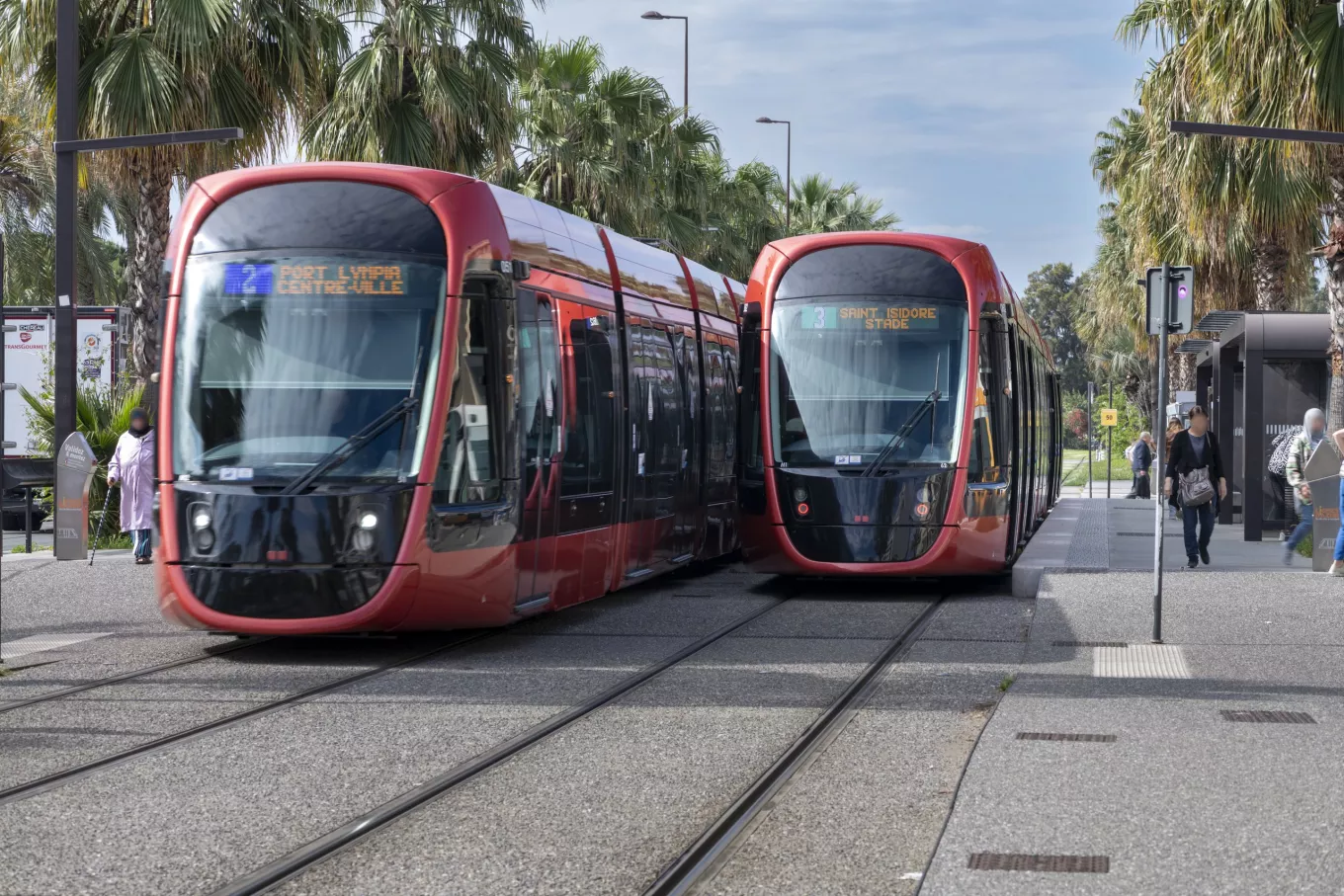
There are three main categories of urban mobility. Public transportation includes buses, trams, subways, and commuter trains, which carry large numbers of passengers at the same time. Active transportation includes walking, biking, and electric scooters, as well as carpooling and car-sharing services that promote the sharing of transportation modes. Cities are developing bike lanes to encourage these active modes of travel and reduce dependence on cars. Finally, private motorized transportation includes personal cars and motorcycles. Each type meets specific needs, and their complementarity is essential for efficient and sustainable urban mobility.
How can we improve urban mobility in a region?
A local government can use several strategies to optimize mobility within its jurisdiction. Real-time traffic management and smart traffic lights help keep traffic moving smoothly during peak hours. Smart parking makes it easier to find available spots and reduces congestion caused by people searching for parking. Intermodality, which connects different modes of transportation, encourages residents to combine public transit with active transportation. Car-sharing services round out the offering by reducing dependence on private cars. Analyzing mobility data allows for the assessment of travel patterns and the adaptation of transportation services. Support from a mobility operator provides expertise and tailored solutions.
What is a sustainable urban mobility plan?
The Sustainable Urban Mobility Plan, formerly known as the Urban Transportation Plan (PDU), is a planning document developed by local governments to organize transportation within their jurisdictions. It sets concrete objectives: reducing air pollution and greenhouse gas emissions, promoting intermodality among different modes of transportation, and improving safety and accessibility for all users. It serves as the strategic framework for all mobility initiatives in the area over the next five to ten years.
What are the challenges of urban mobility for transportation stakeholders?
Traffic congestion poses a major challenge for large cities, resulting in wasted time and additional economic costs. Protecting the environment requires reducing pollutant emissions, limiting the role of the car in cities, and encouraging cleaner modes of transportation. Accessibility for all citizens, including those with limited mobility, is a social equity imperative. Multimodal transportation, which facilitates switching between different modes of transport, improves the overall efficiency of travel. Local governments lead the way on these issues, mobility operators implement technical solutions, and private companies contribute through their fleets and travel practices.
What Regulations Should Govern Tomorrow's Urban Mobility?
The Mobility Framework Act (LOM) of 2019 shapes French mobility policy by entrusting local authorities with the responsibility of organizing transportation within their jurisdictions. It established the low-emission zones (ZFE), which restrict the movement of the most polluting vehicles to improve air quality. The 2021 Climate and Resilience Act extended these zones to metropolitan areas with more than 150,000 residents. The requirements depend on air quality: only Paris and Lyon, where regulatory thresholds are regularly exceeded, must follow the national schedule of restrictions; in other major metropolitan areas—known as “vigilance zones”—the law mandates only traffic restrictions. Local authorities must develop mobility plans that integrate public transportation, active transportation, and innovative solutions. Future trends include the rise of connected mobility and the increasing integration of mobility data to optimize the management of traffic flows.

Talk to our mobility experts
Are you looking to optimize mobility in your area? Our teams will support you every step of the way, from the initial assessment to the implementation of tailored solutions. Whether you’re looking to manage traffic, improve parking, or reduce the environmental impact of private vehicles, we’ll put our expertise to work for your project. Contact us for a customized feasibility study and discover how our connections with the right partners can transform mobility in your community. Together, let’s build the solutions of tomorrow for your residents and businesses.Talk to our mobility experts
Are you looking to optimize mobility in your area? Our teams will support you every step of the way, from the initial assessment to the implementation of tailored solutions. Whether you’re looking to manage traffic, improve parking, or reduce the environmental impact of private vehicles, we’ll put our expertise to work for your project. Contact us for a customized feasibility study and discover how our connections with the right partners can transform mobility in your community. Together, let’s build the solutions of tomorrow for your residents and businesses.