

Sprinklers and Water Conservation: Our Solutions to Reduce Your Water Usage
Sprinklers and Water Conservation: Our Solutions to Reduce Your Water Usage
With rising temperatures and drought warnings, conserving water resources has never been more important.
Want to save money? Want to contribute to the initiatives outlined in your water conservation plan? Or simply reduce waste of drinking water and help protect the environment?
For over 10 years now, Axima Sécurité Incendie has been addressing these challenges by helping its customers conserve water resources in their fire safety systems through more sustainable and environmentally friendly solutions.
Sprinkler Solutions to Reduce Water Consumption
Recovering cooling water from diesel engines
You can achieve significant water savings and reduce the environmental impact of your facility sprinkler by recovering diesel engine cooling water.
The average volume of water required to cool a diesel engine can, depending on the system, reach up to 390 m³ per year (which varies depending on the size of the engines, their cooling systems, and the duration of weekly tests).
Cleaning sprinkler tanks with scuba divers
Stop discharging several hundred cubic meters of water into the sewer system to clean your sprinkler tank. By avoiding the need to drain the tank for cleaning, you can save nearly the entire volume of water from all your tanks; that is, several tens of thousands of cubic meters of drinking water by avoiding the need to refill them.
Regulations require sprinkler tanks to be cleaned at least every 6 years (varying by site) to ensure that residual deposits do not interfere with the proper operation of the sprinkler system.
This will also allow you to reduce the downtime of your sprinkler system by a factor of 10, since an intervention by scuba divers takes 4 to 8 hours, compared to 72 to 96 hours for a drain. You also retain the ability to return your system to service in the event of an emergency.
Sprinkler System Certifications and Regulations
You benefit from a rigorous regulatory framework to ensure compliance. Axima Fire Safety supports you with the following standards:
- APSAD R1 Standard: design, installation, and maintenance of automatic water-based fire suppression systems
- NF EN 12845 Standard: European requirements for sprinkler systems
- FM Global and NFPA regulations: international standards for fire protection
Our trajectory has been validated by the SBTi
In 2024, our decarbonization trajectory and targets for 2030 were validated by the Science Based Targets initiative (SBTi), with ambitious quantified targets:
- 42% reduction in Scope 1 and 2 CO₂ emissions
- 52% reduction in Scope 3 emissions
This validation reinforces our CSR strategy and strengthens the credibility of our climate action plan, driven in particular by our IMPACT program aimed at addressing seven key areas of CSR.
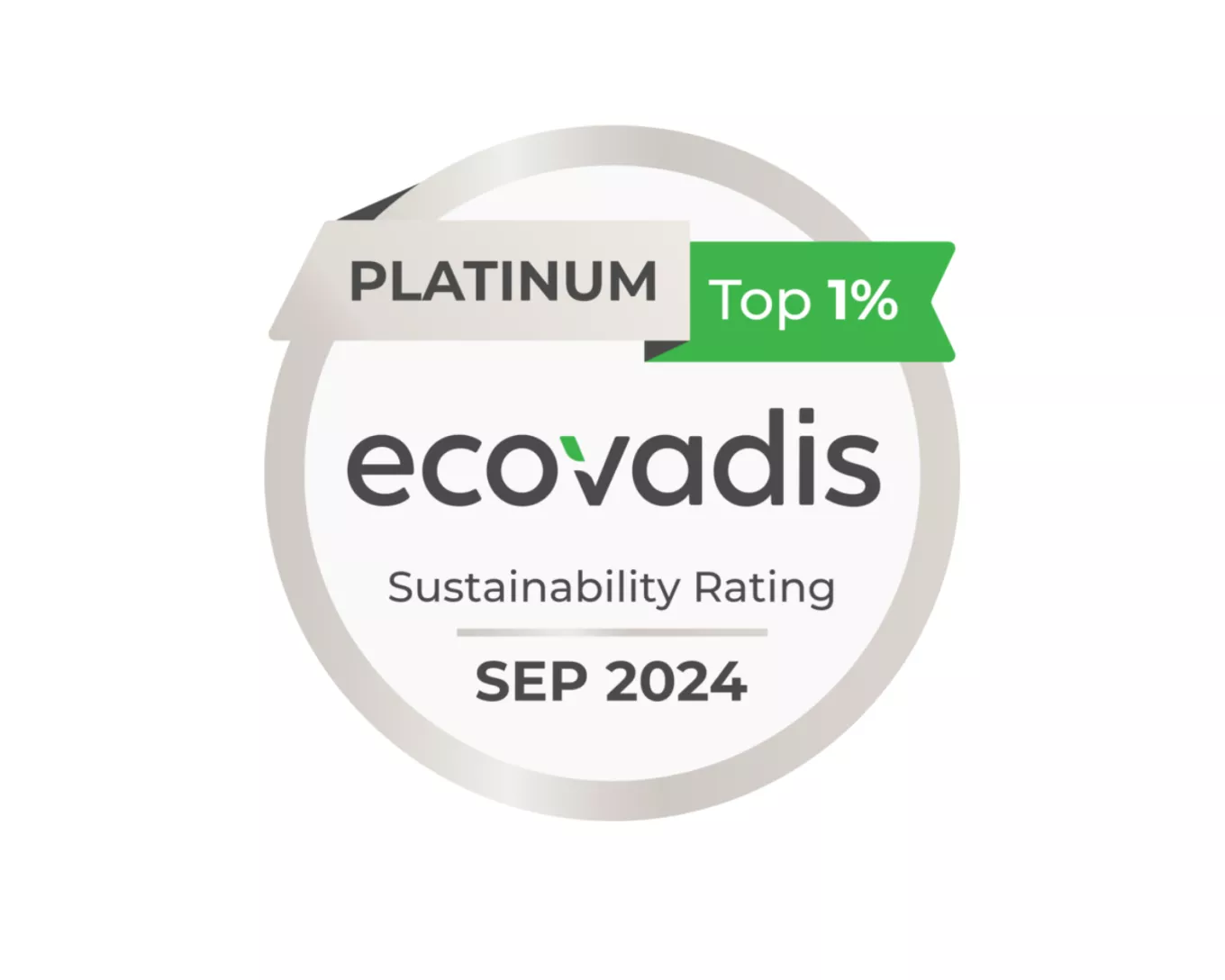
Axima Fire Safety is Ecovadis Platinum certified
These commitments are not isolated. They are part of a structured and ongoing CSR policy, which enabled us to achieve, in 2024, the highest level of Ecovadis recognition: the Platinum certification, awarded to the top 1% of assessed companies.
Axima Sécurité Incendie is currently the only fire safety installer to hold this distinction, a testament to our commitment to sustainability, quality, and environmental stewardship.


Frequently Asked Questions
How does a sprinkler system save water?
The sprinkler system relies on automatic heat detection. Only the heads located in the area where the fire is burning are activated. This localized water application limits the amount of water needed to contain the fire until emergency responders arrive. Unlike a conventional response, which uses large volumes of water, the sprinkler system targets only the source of the fire. This reduces water consumption while ensuring proper operation of the fire protection system.
What are some effective ways to reduce water consumption with a sprinkler?
Recover the diesel engine’s cooling water using a closed-loop system that recirculates the water back into the tank. Having divers clean the tanks prevents the need for complete draining. Using Sprink'ECO minimizes waste. Regular maintenance ensures proper operation and prevents losses.




Do you have a need? Let's talk about it!
Do you have a need? Let's talk about it!