
Press Releases 2022-10-26
October 25, 2022
Haribo achieves an 80% reduction in energy consumption for hot water production at its Marseille plant thanks to Axima
At a time when energy efficiency is becoming an imperative in industrial processes, Equans’ installation of a chiller system with heat recovery is yielding even better results than expected in terms of energy savings. It also helps reduce dependence on natural gas, a major issue of energy security for the industry.
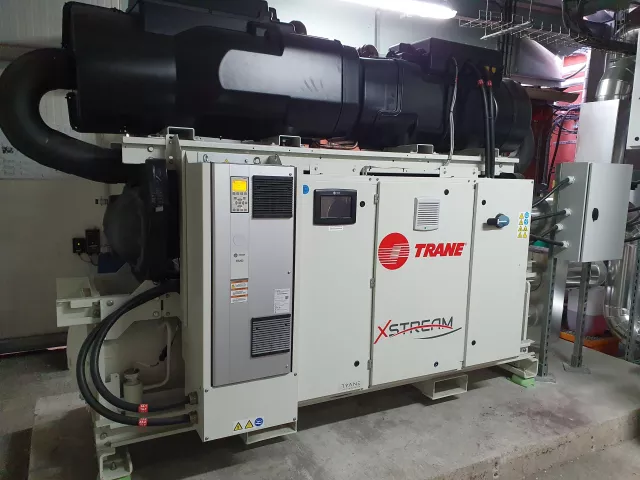
The energy audit conducted in 2019 at Haribo’s production site in Marseille identified new, untapped opportunities for energy optimization. In fact, the industrial process for manufacturing confectionery relies on the simultaneous production of cold and heat. The first involves removing heat, particularly from conveyor belts and production areas. This heat was being released into the outside air, while at the same time, a gas-fired boiler room was producing steam used for another part of the process—specifically, the drying ovens needed to make the famous Dragibus, Tagada, Smurfs, Chamallows, and so many other candies… Haribo’s management then sought solutions to optimize energy consumption and prevent energy waste.
“ Haribo is helping to address the climate challenge by choosing sustainable industrial processes and pragmatically implementing the best available technological solutions. Improving energy efficiency reduces our reliance on fossil fuels alone and supports our energy conservation efforts. The decarbonization path for our industrial model is based on solutions provided by our service provider, Equans. ”
“ Innovations are multiplying to help us meet our customers’ challenges by supporting them in consuming less, in a greener and more flexible way. Waste heat remains the greenest form of energy. It is also a significant source of savings at a time when energy costs are emerging as a major challenge for the industry of the future. To achieve these results, our teams are fully committed to designing, installing, and continuously monitoring these systems. ”