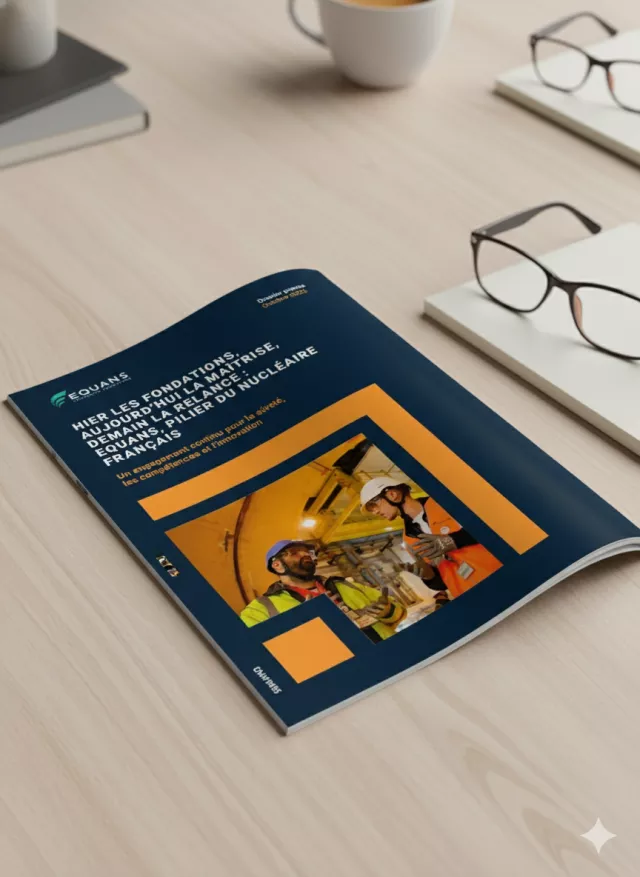
The Nuclear Moment: Building Europe’s Energy Future
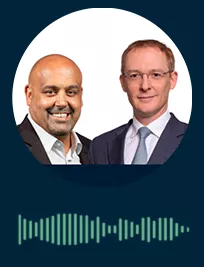
Interview with Olivier Bard, Executive Director of GIFEN, and Mounir Boukil, CEO of Ineo Nucléaire and member of the GIFEN Board of Directors.
The French nuclear industry is experiencing a resurgence of ambition, marked by bold announcements as well as binding timelines. How would you describe this pivotal moment for our country and for Europe?
Olivier Bard: The crunch time: a decisive moment, because expectations are high—and so is our collective responsibility. We must continue to operate our current facilities—the legacy of strategic and sound decisions made more than 50 years ago—while simultaneously developing a comprehensive new program (power reactors, nuclear fuel cycle facilities, innovative reactors, waste management, R&D, etc.). It’s an ambitious and exciting challenge.
Mounir Boukil: This moment is, above all, a period of strategic acceleration. The nuclear revival is no longer limited to a technical ambition: it reflects a shift in scale and approach. The challenge for us as manufacturers is to combine agility and excellence, from the field to the data. On Equans’ projects for EDF’s Grand Carénage or on the expansion of Orano’s Georges Besse II plant in Tricastin, this ramp-up is already taking shape: our teams are optimizing processes to meet schedules in increasingly complex environments, while maintaining the same high standards.
What major challenges must we tackle collectively to ensure the success of this economic recovery?
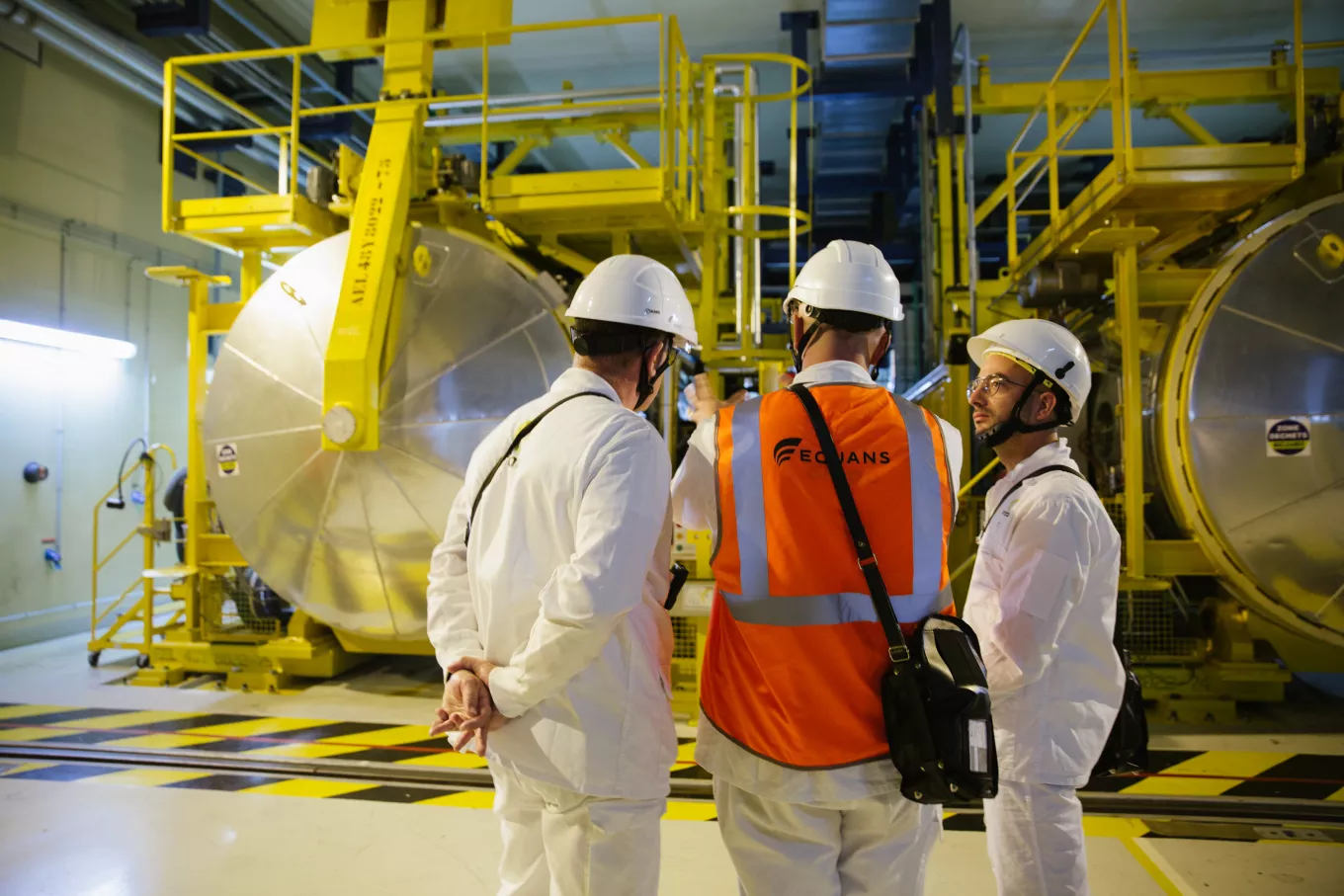
OB: The most important challenge: performance, because everything else stems from it. Building long-term performance means equipping ourselves with the means to meet the essential requirements for safety and security, to build faster, to produce more, to innovate, and to be more attractive to those who need to join us and whom we want to retain.
MB: The main challenge is overall performance: ensuring safety, accelerating cycles, innovating, and above all, getting it right the first time. In an industry where quality does not allow for rework, this requirement translates, in particular, into greater process control and increased integration of digital technology. With the e-SIDE solution, for example, our construction sites are monitored in real time and inspections are automated. Skill development remains a key driver: our training academies—AFEN for electrical engineering and EVN for nuclear ventilation—train hundreds of professionals each year in the sector’s safety and quality requirements.
What specific contribution does Equans make to this collective effort, and how does GIFEN bring together this expertise to benefit the industry?
OB: GIFEN has more than 600 members. Our goal: to build momentum by providing concrete solutions to cross-cutting issues within the industry. This is a collaborative effort in which Equans demonstrates its commitment. Here are just a few examples: the Nuclear Operational Excellence Program (PEON); the MATCH program, involving more than 200 suppliers and over 20 working groups to define the actions to be taken; the COACH program to support the intensification of mentorship for new employees; the recent launch of a performance pact as part of the EPR2 program, which was collectively defined and signed by EDF; and, on the international front, the ties we are forging with our counterparts to open up opportunities for peer partnerships and development for French companies in the nuclear sector.
MB: Equans actively contributes to this collective effort alongside GIFEN, particularly through the PEON, MATCH, and COACH programs. But our added value lies above all in our ability to pool our expertise: Axima Nucléaire in ventilation and air conditioning, ECIA in design engineering, Mecanuc in mechanical processes, and Ineo Nucléaire in electrical systems. Together, these four entities form Equans Nuclear, an integrated network of 4,000 experts with 600 million euros in revenue, capable of supporting the entire lifecycle of nuclear facilities and providing concrete, integrated solutions to the industry.

In a context where cooperation is key, how can we strengthen synergies between large corporations, mid-sized companies, and small and medium-sized enterprises to avoid silos and create a genuine industry-wide effect?
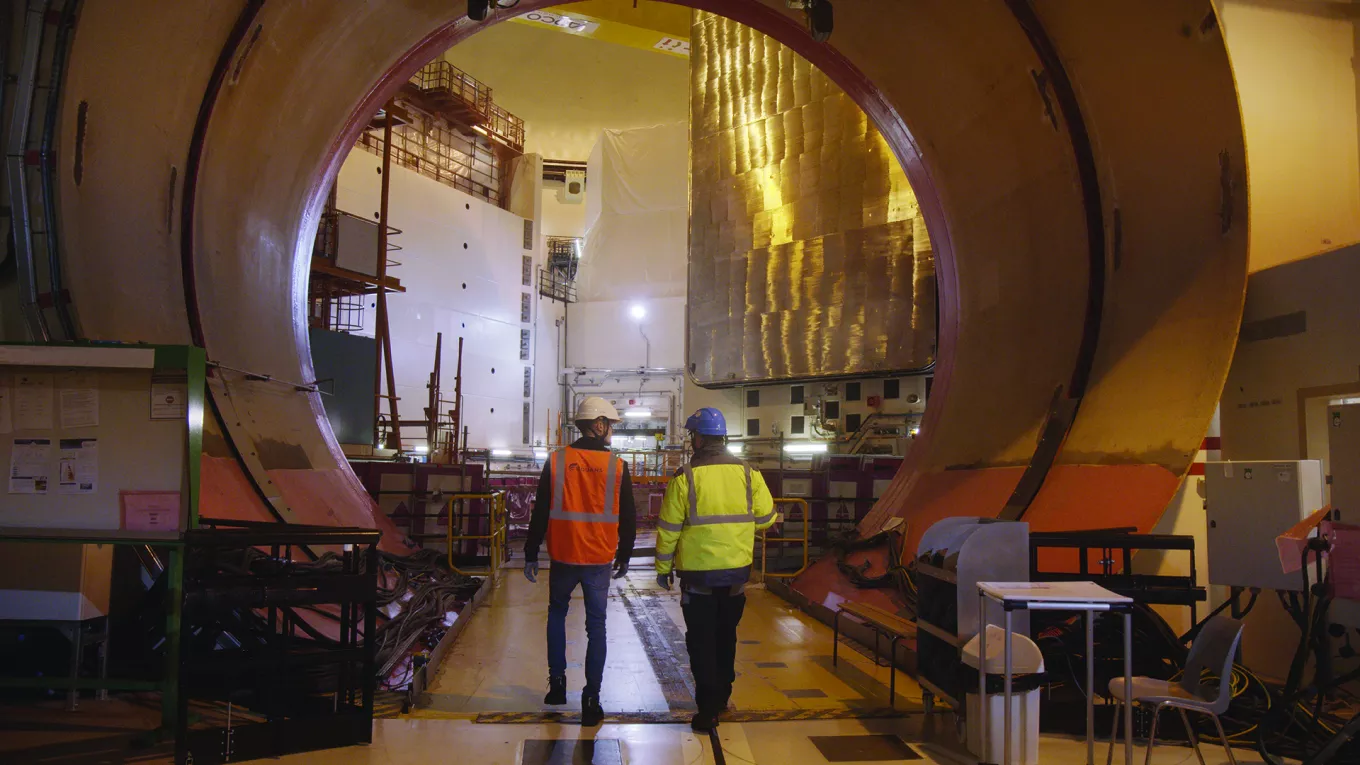
OB: GIFEN brings together all types of companies: nuclear operators, large corporations, mid-sized companies, small and medium-sized enterprises (SMEs), and very small businesses. Collaborative work takes place through programs and projects, as well as within committees where everyone can voice their opinions and contribute. The framework is in place, and the mindset is collaborative and constructive, to the benefit of all.
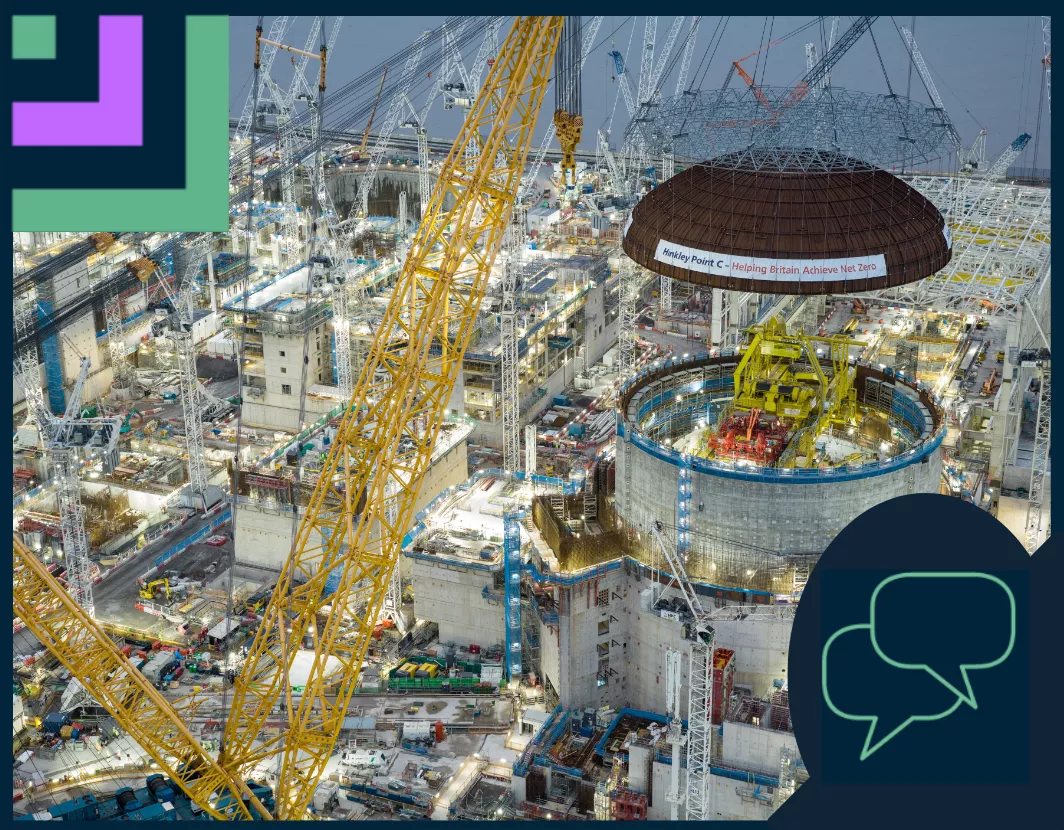
MB: To break down silos, we must foster a culture of cooperation across the entire industry. GIFEN provides this framework, and we put it into practice on the ground: at Hinkley Point C in the United Kingdom as well as on Orano’s “Aval du Futur” project, success depends on the complementary nature of our expertise and the trust between partners. This is also the spirit behind the collaborative efforts centered around supply chain/supplier days, where we, as Tier 1 suppliers, share our vision for our clients’ projects and make long-term order commitments. These moments illustrate the strength of the collective that comes from sharing experiences at all levels.
How do you view the balance between asserting national sovereignty and international cooperation?
OB: The two are not incompatible. The French industry (2,000 companies, nearly 250,000 jobs) is strong and well-established enough not to fear competition. It is one of the few comprehensive sectors in the world. Nevertheless, international cooperation remains useful—if not necessary—not only to export and contribute to the trade balance, but also to share experiences, learn from peers—including the highest-performing ones— and, where appropriate, to forge peer partnerships that can accelerate and strengthen our pursuit of performance.
MB: Sovereignty and cooperation are complementary. France’s globally recognized expertise is strengthened through partnerships that enrich our know-how and open up new markets. Equans supports this pragmatic approach: cooperating means progressing faster while safeguarding our strategic interests. This is also the essence of the new partnership between Equans Nuclear and Equans Digital, which combines the industrial strength of the group’s nuclear network with its digital expertise to unlock the full potential of data, ensure project reliability, and strengthen the competitiveness of the French nuclear industry.
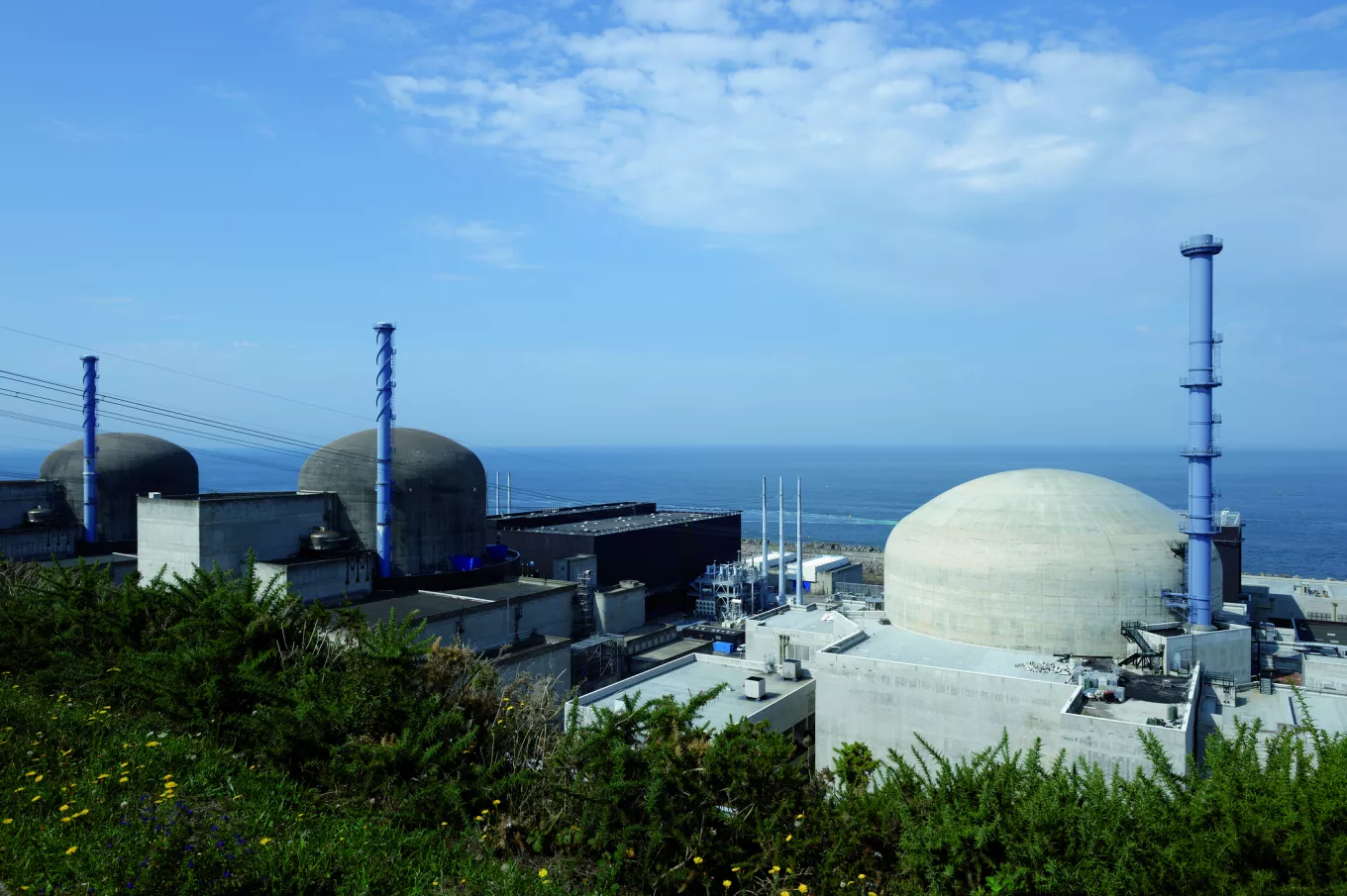
What message would you like to convey to policymakers, business leaders, and the younger generations?
OB: Nuclear energy holds the key to addressing major societal challenges: climate, sovereignty, and industrialization. It also offers new solutions in the fields of healthcare, space exploration, and heat generation. Investing in or joining the nuclear industry means taking part in an industrial adventure with a bright future, offering exciting careers for everyone.
MB: Nuclear energy is a sector of the future, at the crossroads of technology, industry, and purpose. It is a tremendous arena for innovation, creating skilled jobs and fostering technical pride. Joining the industry means contributing to the country’s energy independence. We invite young talent to get involved: the needs are immense, career paths are flexible, and training programs—such as those offered by our vocational academies—pave the way for sustainable and meaningful careers. Finally, support from decision-makers remains essential to ensure a stable framework and provide the sector with the resources to achieve its ambitions.