
Ineo Postes et Centrales, a key player in energy distribution to consumers
Interview with Bruno Magaud, Deputy Director of Ineo Postes et Centrales, an expert in transformer substations.
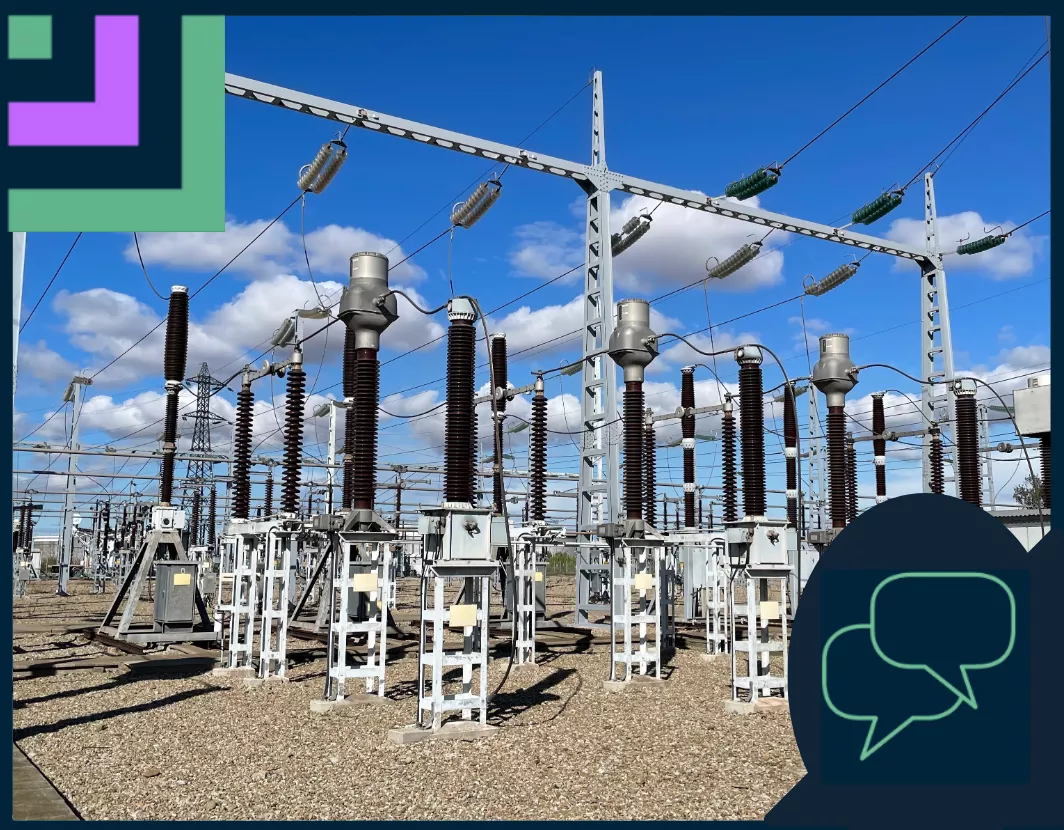
From the power plant to our outlets: the entire journey of electricity
In power plants—whether nuclear or hydroelectric—electricity generation begins at the alternator.
The alternator first generates high-voltage (HV) current. This voltage is then stepped up to 225 or 400 kV.
This allows for long-distance transmission with minimal losses over the high-voltage lines operated by the electricity transmission networks (RTE).
Then, in successive steps, this voltage is stepped down. Starting at 20 kV, the Enedis distribution network takes over, ultimately delivering the familiar 230 V to our outlets.
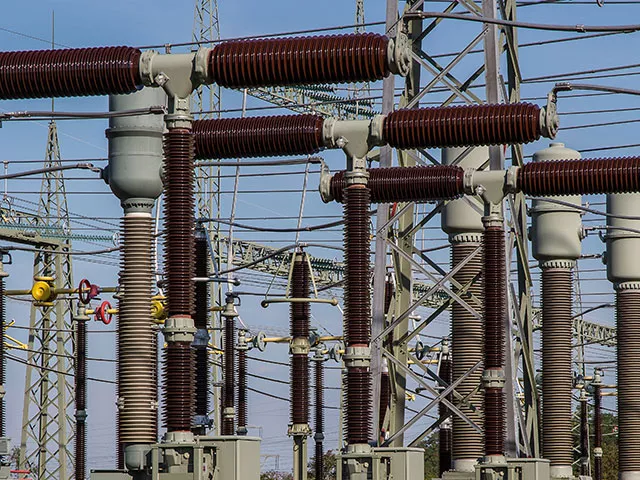
Ineo Substations & Power Plants: Comprehensive Expertise in Electrical Infrastructure
With 430 employees and 7 locations, the company carries out all of these installations. The civil engineering teams build the foundations and structures that support the steel frames.
These structures then support the equipment: measuring devices, disconnect switches, and circuit breakers to protect people and the facilities. Interconnections are then made using Aster cables or aluminum conduits. Finally, the low-voltage team connects all of these devices to the bay cabinets, which act as the control centers of the substation.
At the Heart of Grid Reinforcement and Renewable Energy: Ineo Postes & Centrales
Driven by the growing electrification of energy use, Ineo Postes & Centrales plays a strategic role in strengthening the grid and connecting renewable energy generation facilities, such as wind and solar power. This momentum actively contributes to the energy transition and the decarbonization of regions by promoting a more sustainable and resilient electricity mix.

